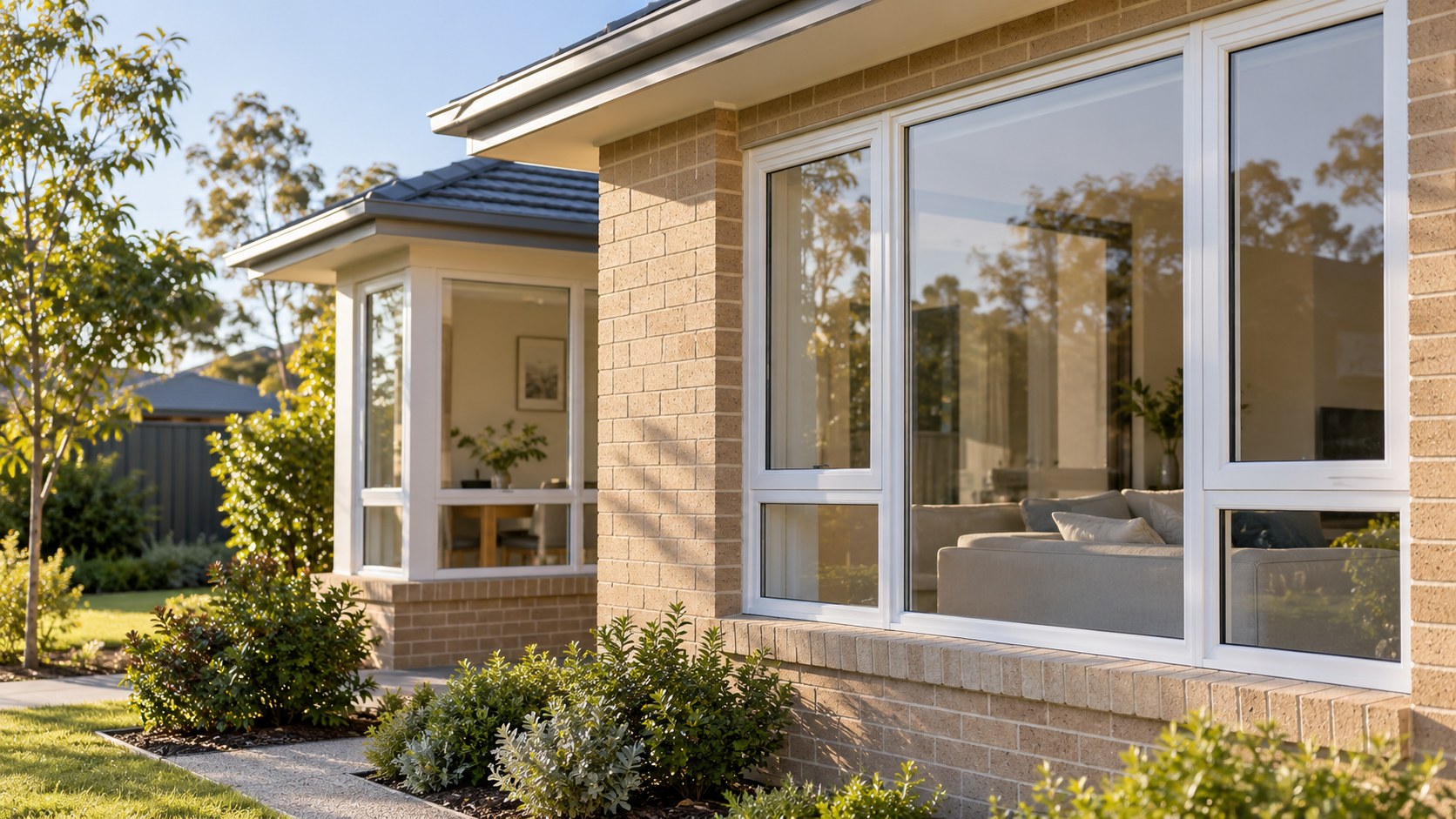
AS 2047 Windows and external glazed doors in buildings is the Australian Standard windows are tested to. It sets the performance a window has to reach. It also requires the result to be marked on the window itself. It is a minimum specification, not a measure of how well a window is made. Two windows can both meet it and be very different products. Australian made is a separate claim. It is about where the last substantial step in making the window happened, not where the parts came from. Neither line on a quote, by itself, separates one supplier from another.
If you are comparing quotes for a house of windows, that is the awkward part. All of them carry both claims. What tells them apart is what each supplier can show you.
AS 2047 is the standard that windows in an external wall are designed to. It is not optional. Clause H1D8 of Volume Two of the National Construction Code treats a glazed assembly as meeting the structural requirement if it is designed in line with AS 2047. The code lists what that covers: windows, framed sliding, swinging, French and bi-fold doors, adjustable louvres and window walls.
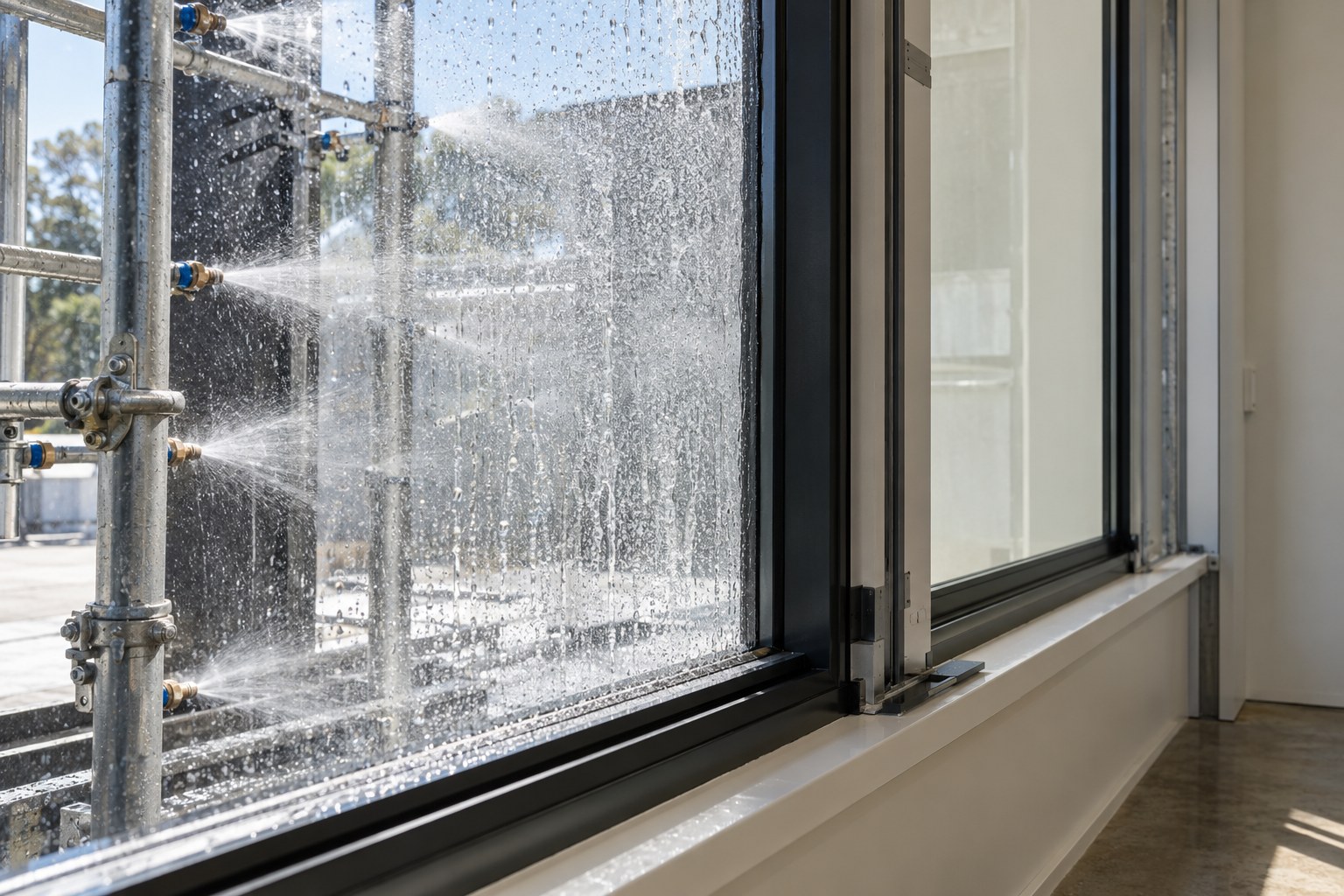
A window is tested, not inspected. The Australian Glass and Window Association, the industry body for the trade, lists five tests behind an AS 2047 rating. They are deflection under wind load, the force needed to open a sash, air leakage, water penetration resistance, and ultimate strength. A sash is the part of a window that opens. Water penetration resistance is the pressure at which wind driven rain gets through, and the post on stacker doors sets out what the pressures mean.
The test covers the whole window as one assembly, not its parts.
What the standard leaves out is the half nobody prints. It is not an energy rating. It is not a bushfire rating either, and that is covered in the guide to BAL rated windows. It says nothing about how long a frame will last. The code sends some windows to AS 1288 Glass in buildings instead. Windows built on site are among them, along with heritage and recycled ones.
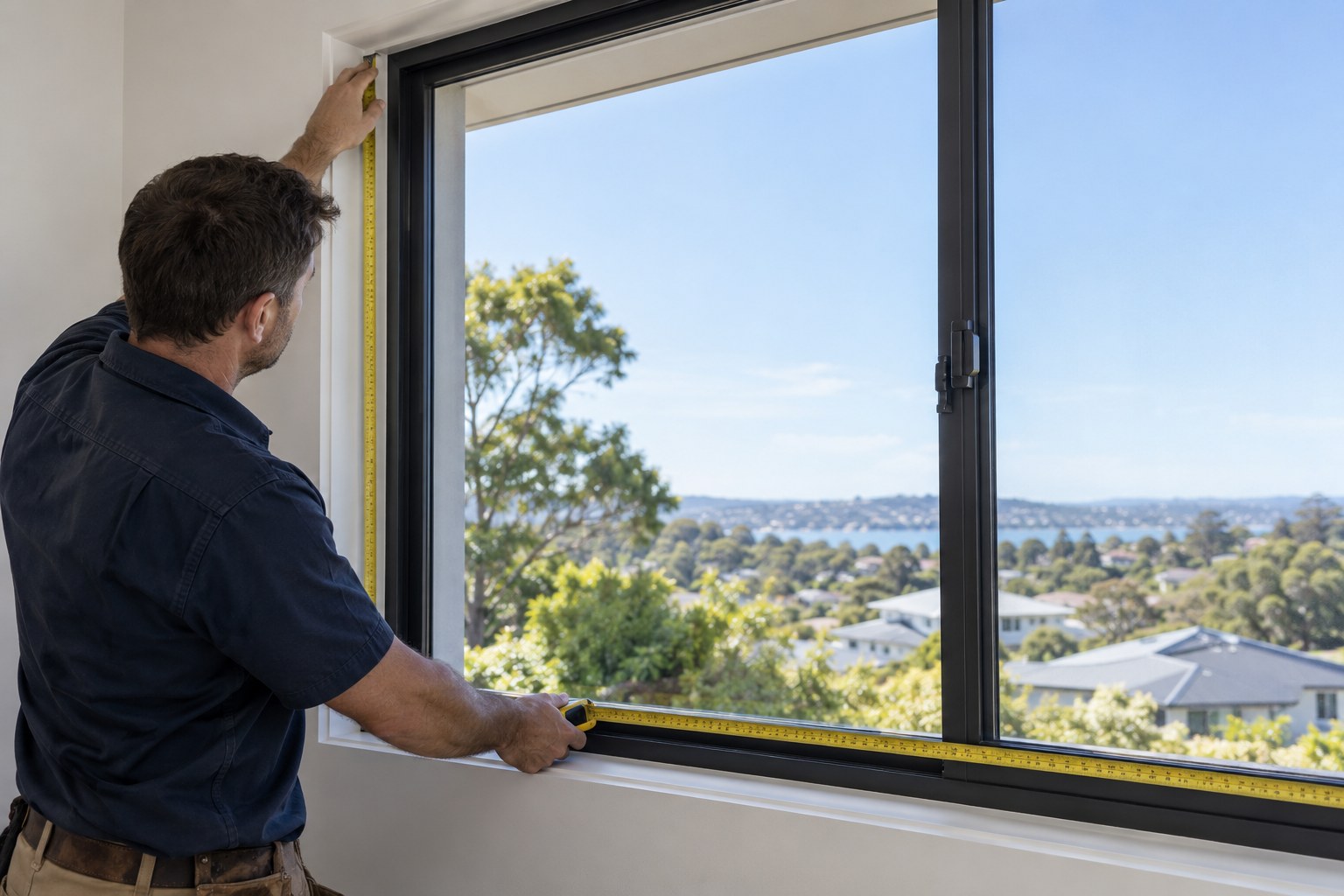
Ask for the label, then the certificate, then the test report. That is the order. Most of it can be settled before you sign anything.
The standard requires window assemblies for housing to be labelled. It also says where the label goes: positioned so the window can be identified once it is in place. Four things have to be marked on the assembly, anywhere except on the glass.
Some products can carry a certificate with those four items instead of a label.
Then the sentence worth reading twice. Where a statement of compliance appears on a product or its promotional material, that compliance has to be capable of being verified. The standard says so itself. So a supplier who prints AS 2047 compliant and can show nothing behind it has not met that condition.
The association is pointed about certificates. One should only be treated as acceptable if the company giving it is in an accreditation scheme with independent third party accreditation. In practice that means NATA, the National Association of Testing Authorities. If a label or a certificate looks doubtful, ask for the test report behind it. The association also sends buyers to check a company’s listing on its own site and on the WERS window energy rating site.
Asked what to do about a window that arrives with no compliance labelling, the association’s published answer is two blunt sentences. ‘Don’t use it. Send it back.’
One more thing is usually missing from a quote. For housing, AS 2047 puts the nomination of the window rating and the exposure classification on the purchaser, not the manufacturer. The maker then verifies the windows meet what was nominated. The rating itself should be worked out by the site engineer, architect, designer or builder. So AS 2047 compliant, with no rating named, is a claim with the number left out. A house on an open rise north of Melbourne and a sheltered terrace two streets back do not need the same rating. Ask which rating your quote was priced to, and who worked it out. There is a separate guide here to what else a double glazing quote should itemise.
Australian made is a claim about the last substantial step in making the product. Section 255 of the Australian Consumer Law sets the test. That law is Schedule 2 to the Competition and Consumer Act 2010. A business is on safe ground saying goods were made here if they were last substantially transformed here. Substantial transformation means the work done here left the goods fundamentally different from all of the imported parts. Different in identity, nature or essential character, in the law’s words.
The ACCC enforces that law. Its guide to country of origin claims puts the consequence plainly. The source of a product’s individual components is not relevant to a made in claim. A good does not have to contain any components from a country to say it was made there.
So a window can be honestly Australian made and still hold imported frame sections, imported hardware and imported glass. A manufactured window is an assembly of parts and labour. The claim is about the work, not the shopping list.
Assembly on its own may not be enough, though. The ACCC’s guide shows where the line has fallen in other goods. Cutting, assembling and finishing imported wood to make a chair counts. Assembling a table from imported finished pieces does not.
Whether a particular window fabrication clears that line is a legal conclusion about one process. This article will not draw it for you. Ask what work is done here, and to what.
Two other wordings turn up on the same quote. Product of Australia is a much stronger claim. Every significant component has to originate here, and all or virtually all of the making has to happen here. The kangaroo logo is different again. It is a registered trade mark, and on non-food goods it may only be used under licence from Australian Made Campaign Limited. Australian owned is a third claim, about who owns the company rather than where the window was built.
The test the law applies to Australian windows is narrower than the words suggest. A fuller claim tells you more. The ACCC’s guide lists the extra detail a business may add, with examples like manufactured in Australia from premium imported components. A supplier who volunteers that much is telling you more than one who prints two words.
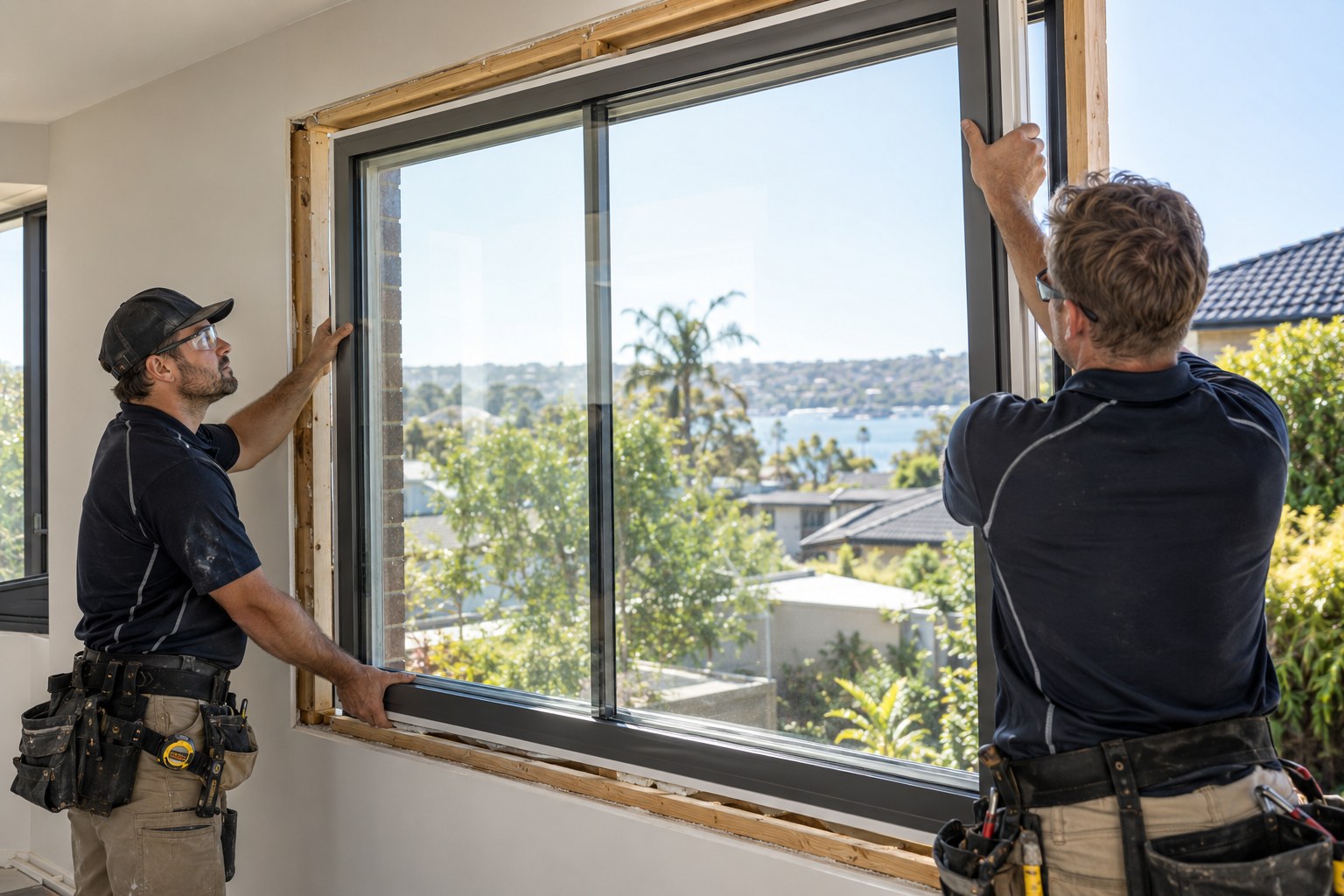
It does, but not for the reason the phrase suggests. Where the window was made mostly decides what happens when something goes wrong. Who you ring. Who authorises the repair. How long a replacement part takes to arrive. That is a question about the service path rather than about patriotism, and it is the one worth asking. Who stands behind the product over thirty years is set out in full on the post comparing uPVC and aluminium.
Four things, and they are rarely covered for the same length of time. The frame, the sealed glass unit and the hardware are usually split, and the article on how long uPVC windows last explains that split. The fourth is the installation, which is workmanship rather than product. Ask who carries it.
Less well known is that a written warranty has required contents. Under the Competition and Consumer Regulations, the document has to be transparent. It has to name the warrantor and say how to reach them. It has to say how long it runs and for what, how to claim, and who pays to claim. And it has to say its benefits are in addition to your rights under the law. For goods it has to carry this wording:
Our goods come with guarantees that cannot be excluded under the Australian Consumer Law. You are entitled to a replacement or refund for a major failure and compensation for any other reasonably foreseeable loss or damage. You are also entitled to have the goods repaired or replaced if the goods fail to be of acceptable quality and the failure does not amount to a major failure.
Where the supply includes installation, the paragraph is longer. It opens with the words our goods and services. Checking a warranty for all of this takes a minute. One missing most of it is worth a question before the deposit.

Window manufacturers in Melbourne all quote against the same standard and the same law. So these are fair questions to put to any of them, including the business publishing this page.
Ask for the compliance documentation and the warranty document with the quote, from every supplier you are talking to. One who can hand both over in the same week has answered most of this page without being asked. That response time is worth knowing on its own. To get them from Weatherall Windows, ask through the contact page or call 1300 132 095.
Neither, exactly. It is a standard, and the National Construction Code makes designing to it the accepted route to compliance for windows in an outside wall. That is why it belongs on a quote for a house.
Yes. The standard is about how a window performs under test and how that performance is marked. The address of the factory has nothing to do with it, so an answer about origin is not an answer about compliance.
Housing windows are meant to be labelled, so a blank window is a question rather than a detail. Raise it before they go in, because the marking is supposed to stay readable once the window is fitted.