
Weatherall Windows manufactures uPVC double glazed windows in Campbellfield, on Melbourne's northern fringe, and supplies them across Melbourne and regional Victoria. We have built windows for over 50 years, including the windows and doors used on House 3 of The Block in 2023.
uPVC stands for unplasticised polyvinyl chloride. It is a rigid plastic frame material that does not conduct heat the way aluminium does, does not corrode at the joins, and does not need painting or sealing. Every window leaves our factory built to the configuration you ordered: the frame profile, the glass unit, the colour, the hardware, and the opening style are made for your home, in our workshop, by people who do this work every day.
uPVC double glazed windows cost more than aluminium windows. The premium is usually 20 to 30 percent on a like-for-like comparison, depending on the configuration and the project size. That premium pays for performance that aluminium frames cannot match.
Heat moves through aluminium quickly. Even thermally broken aluminium frames conduct more heat than uPVC, which is why aluminium-framed windows often feel cold to touch in winter and warm to touch in summer. uPVC is an insulator, not a conductor. The frame stays close to the indoor temperature, which means less heat leaks out in winter and less heat leaks in over summer.
The acoustic difference works the same way. With the right glass configuration, a uPVC double glazed unit can reduce outside noise meaningfully compared to a standard aluminium frame. For homes on busy roads, near schools, or under a flight path, that performance gap shows up in the first week of living with the new windows.
uPVC does not corrode. It does not rust at the joins where aluminium often does, particularly within a few kilometres of the coast. It does not need to be sanded back and repainted every five to ten years. Wipe it down with soapy water occasionally and it stays the way it left the factory.
The longer the window stays in the home, the more the maths leans toward uPVC. We have broken down the 30-year cost comparison in detail in our uPVC vs aluminium 30-year cost article for homeowners who want to see the numbers before they commit to a window package.
Each window type below opens its own product page with full specifications, opening mechanisms, and project examples. The grey-bordered card titles are links.


Casement and awning windows are the workhorses of most Melbourne homes. Casements swing out from the side and catch a breeze; awnings hinge at the top and let you keep them open through a light rain. Both seal tight when closed, which makes them strong choices for energy performance and a good default for bedrooms, living rooms, and any room where ventilation matters.
Tilt and turn windows are the most versatile. The tilt function gives you secure ventilation overnight or when the home is empty; the turn function gives you full opening and easy cleaning from inside. They are the window we recommend most often for upper-storey bedrooms and bathrooms.
Sliding windows trade a small amount of seal performance for a profile that stays clear of the space around them. They suit balconies, courtyards, and tight walkways. Servery windows are built specifically for the kitchen-to-alfresco hand-off and come in several opening configurations. Fixed windows do not open at all, which is a strength when you want light or a view without ventilation: simpler frame, fewer moving parts, longer service life.
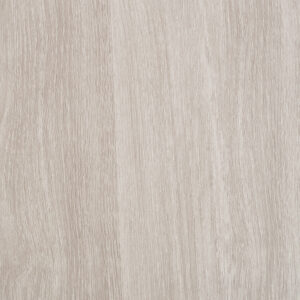
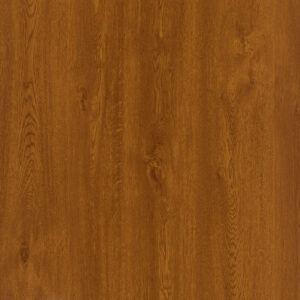
Weatherall uPVC frames come in nine colours across our standard and non-standard ranges. Standard colours include white, cream, and the Aludec metallic finishes in jet black and anthracite grey, with two-tone options that keep the interior white. Our non-standard range adds the Aludec anthracite grey two-tone and three Woodec timber-look finishes (Turner Oak Malt, Toffee, and Walnut), which give the appearance of timber on the frame face while keeping the maintenance profile of uPVC.







The glass unit between the uPVC frames is where most of the window's thermal and acoustic performance is set. The frame keeps the heat from leaking around the edge; the glass unit does the rest.
Standard double glazing combines two panes of glass with a sealed air gap. That alone outperforms single glazing significantly. Adding Low-E glass, which is a transparent coating that reflects heat back into the room in winter and out of the room in summer, and filling the gap with argon gas instead of air, sharpens the performance further. With this Low-E plus argon configuration, a Weatherall double glazed window can achieve a U-value as low as 1.4. The lower the U-value, the less heat moves through the window, which translates directly to lower heating and cooling costs in a Victorian home built to meet the 7-star NatHERS standard under NCC 2022.
Triple glazing adds a third pane and a second sealed gap. This is overkill for many Melbourne homes but earns its place on alpine builds, on large window walls facing south, and on projects targeting passive house performance.
Acoustic configurations use thicker glass on one of the panes, or laminated glass, to break the path of the sound wave. For homes near busy roads, train lines, or schools, this can change the way a room feels at night.
For homes in designated bushfire-prone areas, our tilt and turn windows are tested and rated up to BAL 40. If you are building or renovating in a Bushfire Attack Level zone, this matters: most aluminium windows lose their compliance rating once the project gets above BAL 19, which can force expensive last-minute specification changes. Talk to us early in the design phase if BAL is part of your project.
The right windows for your project depend mostly on whether you are building new or replacing existing windows.
For a new build, the windows are part of the energy efficiency calculation from day one. Victorian homes built since 2024 must meet a 7-star NatHERS rating under NCC 2022, and the windows carry a meaningful share of that load. A uPVC double glazed window with Low-E glass and argon fill gives the building designer headroom on the rest of the envelope. It also means the home holds its temperature without working the heating and cooling system as hard, which shows up in the bills from the first quarter onwards.
For a renovation, the question is usually narrower: replace what you already have without changing the look of the home, or take the opportunity to upgrade the openings while the wall is exposed. Either is possible with uPVC, and both come with their own considerations for older Melbourne houses with heritage overlays, brick veneer construction, or weatherboard cladding. Our window replacement Melbourne service page covers the retrofit specifics: how we measure, what we do with existing brickwork or weatherboards, what to expect on install day, and how to plan the disruption.
