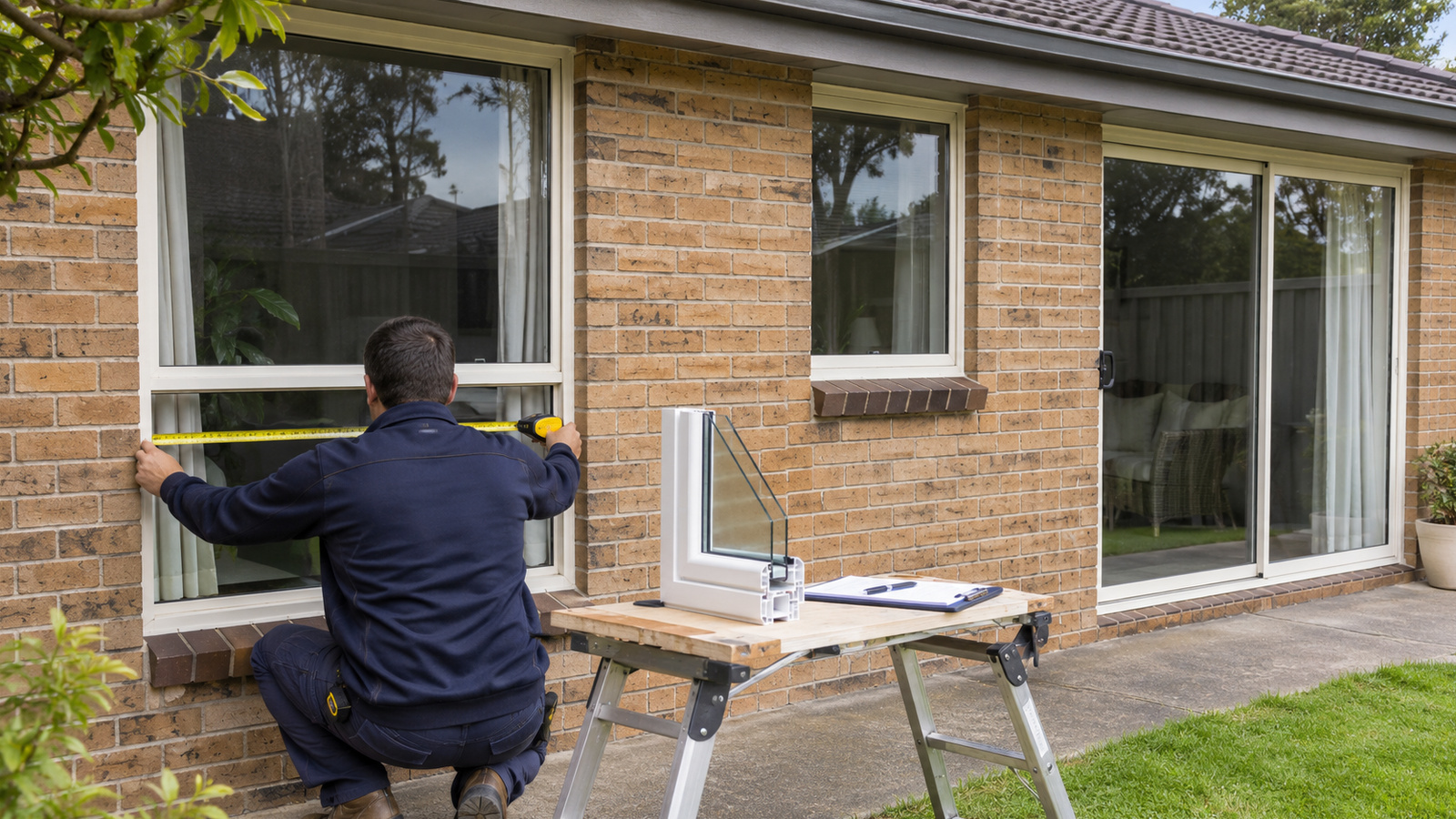
Deciding which windows to replace first comes down to the rooms you use, the size of the glass and what is already failing. Start with the rooms you spend the most time in when the house is uncomfortable. In those rooms, do the biggest windows first, especially glass that faces west or south.
A window that is broken, rotten, won’t lock or lets in a draught you can feel goes to the front of the queue, whatever room it is in. If the budget covers four windows this year out of fourteen, that order puts the first four where you will feel them.
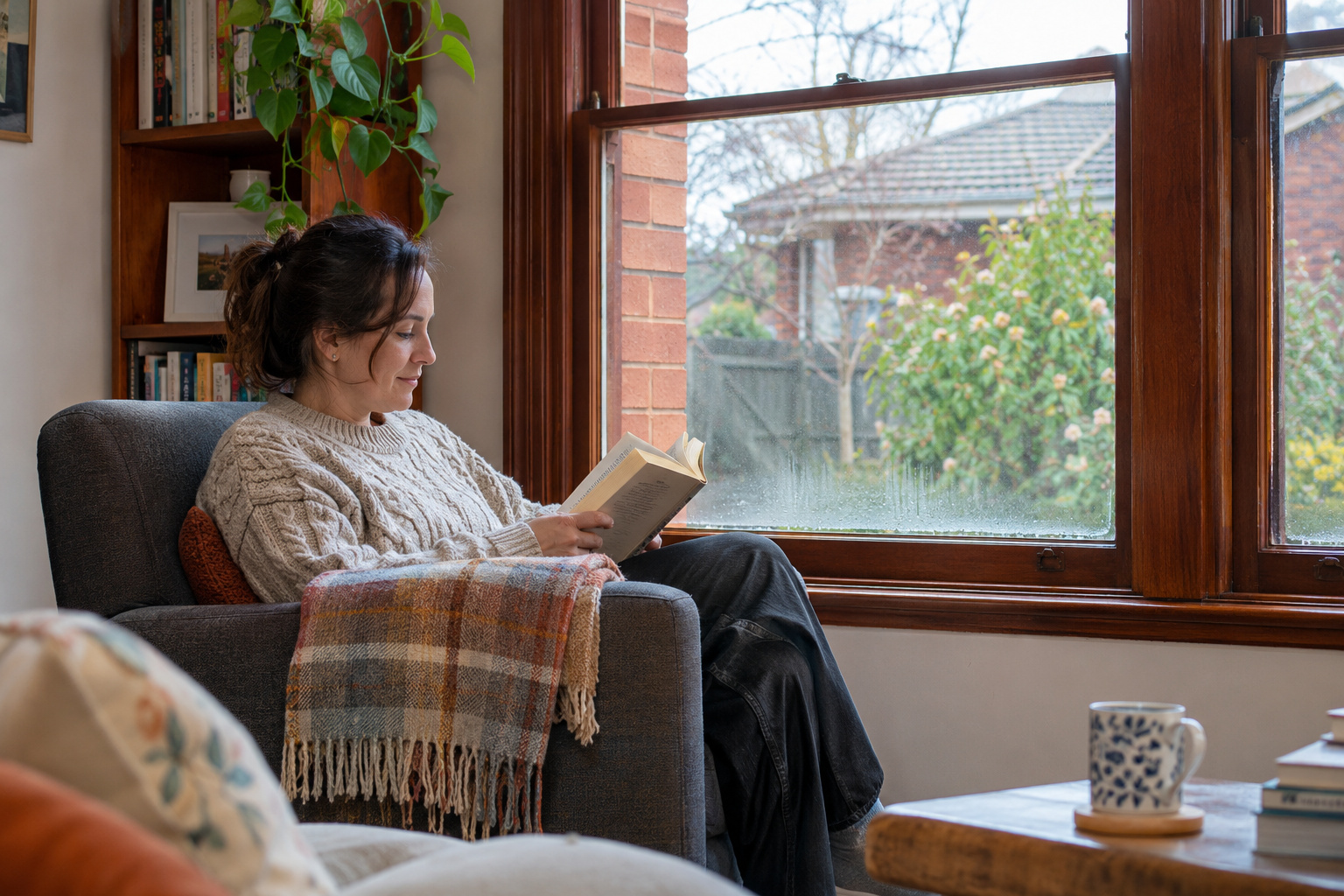
The first sort is rooms, not windows. A west-facing living room used every evening outranks a west-facing hallway you walk through twice a day.
Bedrooms count for the hours you sleep in them, so a cold main bedroom ranks high even though nobody sits in it during the day. Rooms you only use in mild weather, like a sunroom or a spare room, go lower.
The quickest test is one question. Which rooms do you avoid, heat or cool the hardest, or sit in with a jumper on? Those rooms are the top of your list.
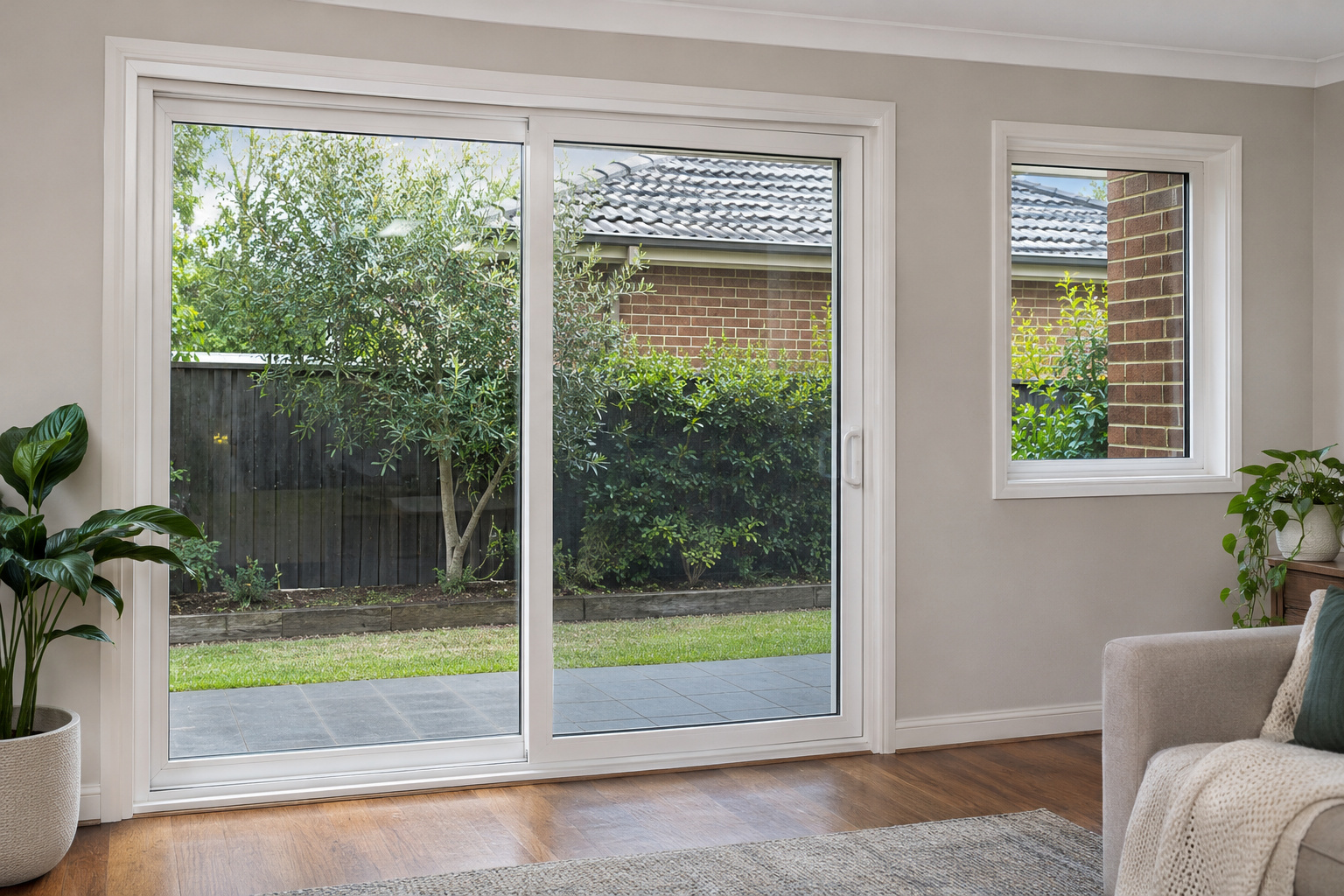
Heat lost through a window rises with its size. Heat loss equals the window’s U-value (how fast heat passes through it) times its area times the difference between inside and outside temperature.
That makes the arithmetic simple. If a sliding door has four times the area of the window beside it in the same room, it loses four times as much heat with the same glass and frame. If the budget will not stretch to every window in a room, the large one is usually the one to do first.
If you want the numbers behind this, our post on the one window number that predicts your heating bill sets out typical U-values for different frames and glass.
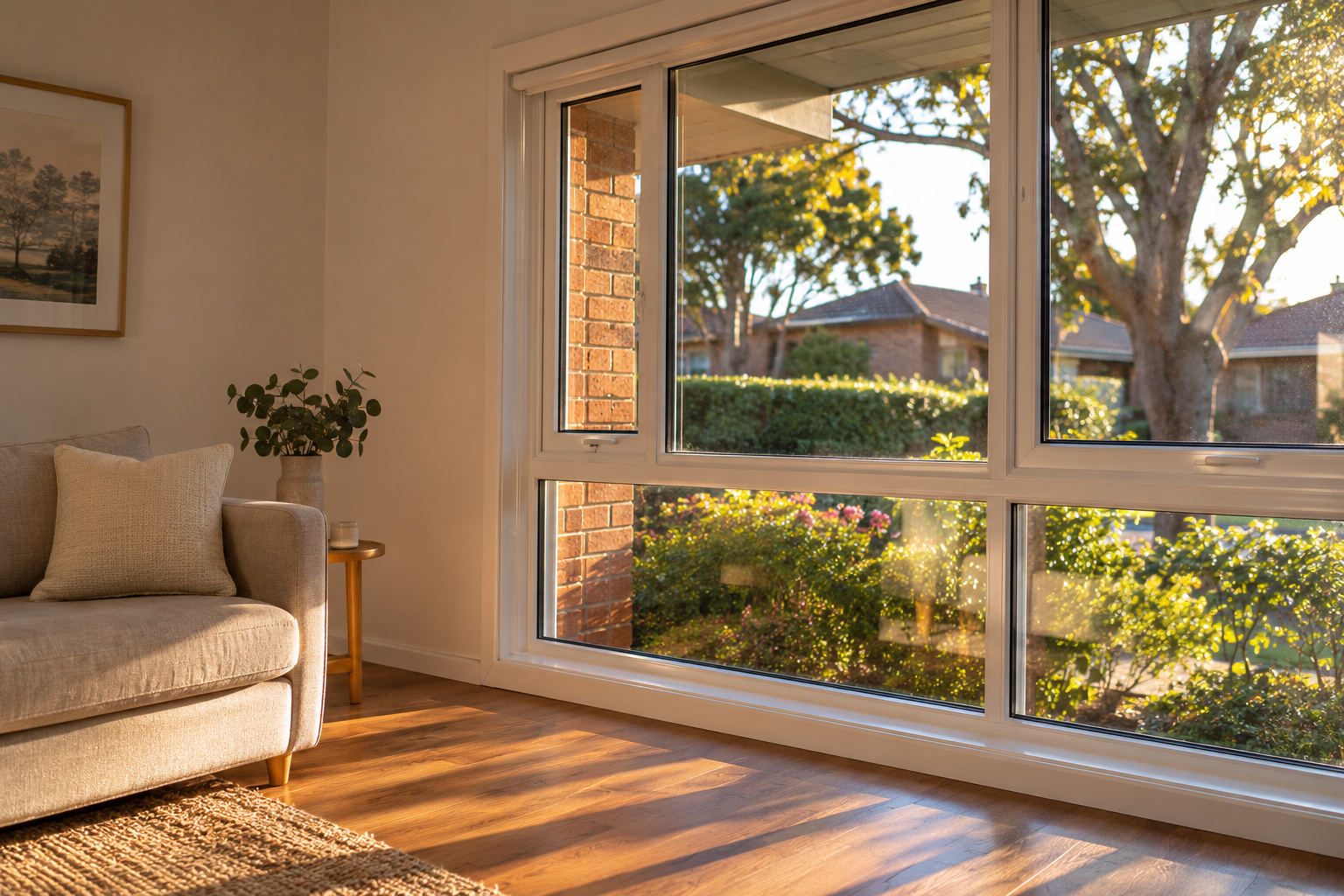
West glass lets summer heat in and south glass lets winter heat out, which is why both rank high.
The low afternoon sun hits west glass side-on in summer and slides under most eaves. North glass is easier to shade with a simple eave. A south-facing room gets little direct sun, and through old single glazing it loses heat quickly.
On a hot Melbourne afternoon, a west-facing living room can still be warm at nine at night. For that room, shading and glass choice matter as well as the frame, which our guide to cutting heat through west-facing windows without dark rooms covers.
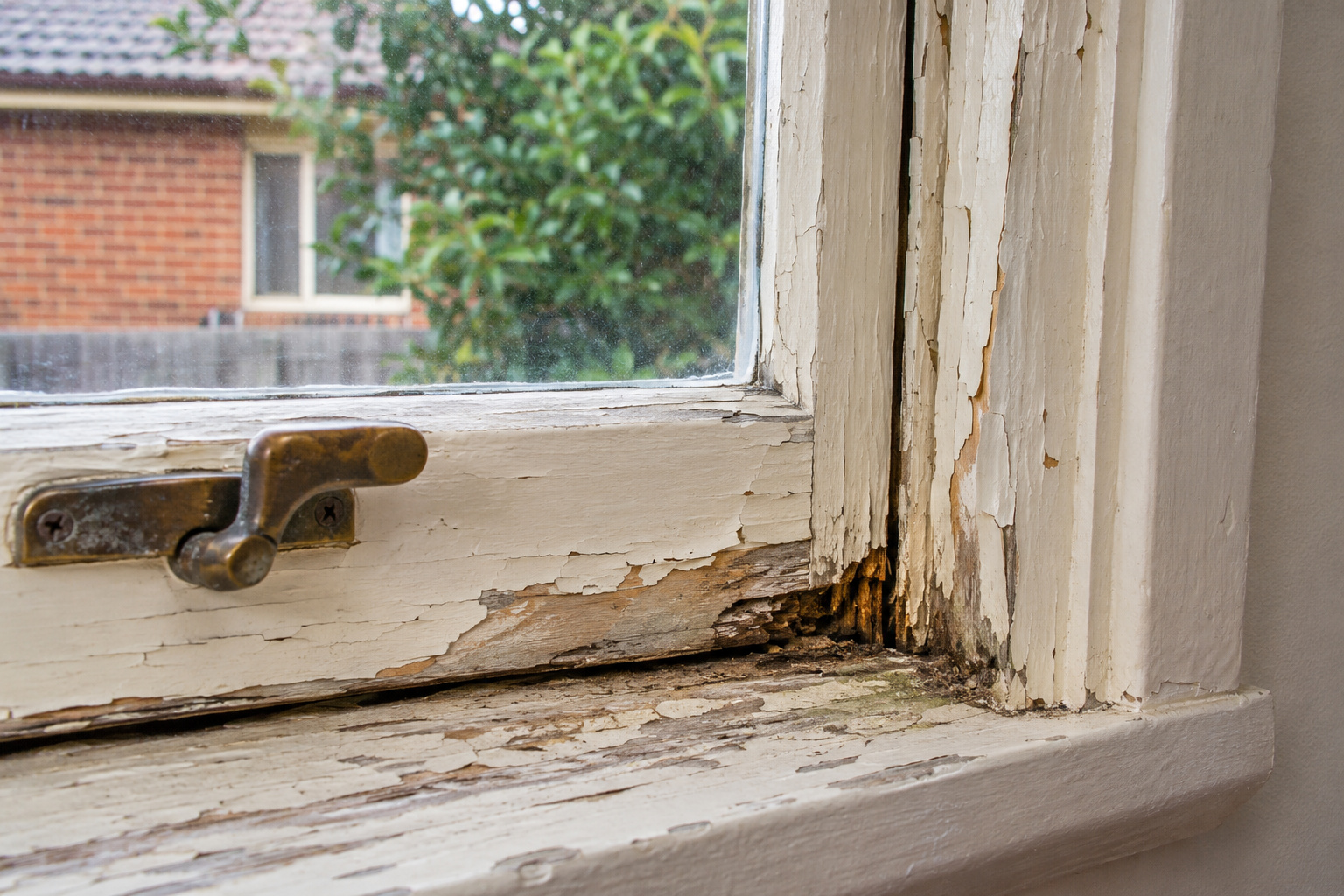
Condition can override the comfort ranking. Any of these puts a window near the front, whatever room it is in:
If you are still deciding whether to replace at all, our post on the signs it is time to replace your windows and doors covers that question.
Where a frame is sound and only the glass is the problem, there are other routes. We compare them in our post on getting double glazing without replacing the whole window.
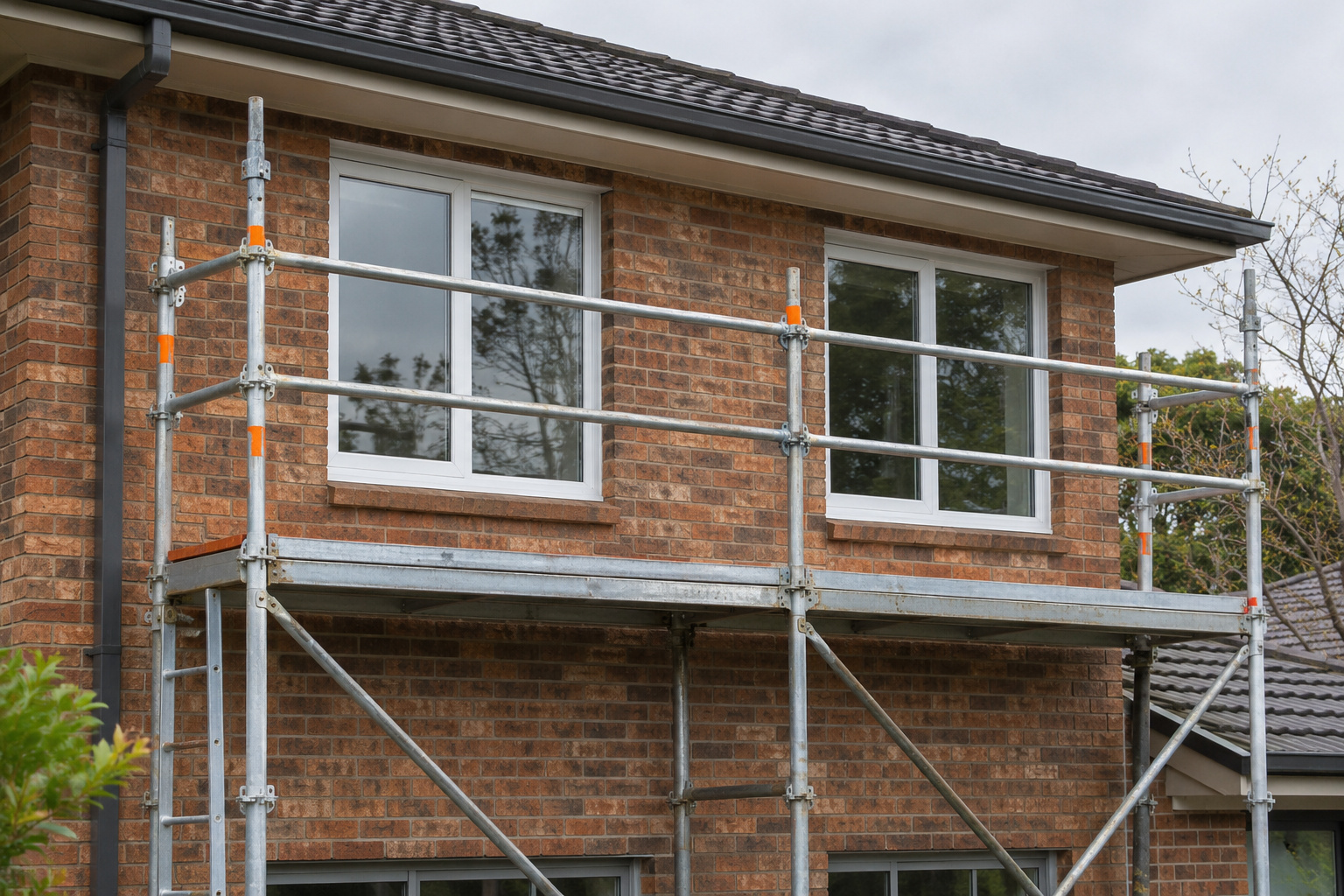
Grouping is where staging can save hassle. Openings in the same room, on the same wall or side of the house, or that need the same scaffold belong in one stage.
Upstairs windows are the clearest case. Scaffolding or a lift for upper-storey windows has to be hired and booked, which ties your install date to somebody else’s diary. Doing every upstairs window in one stage means booking that access once.
Ask your supplier whether grouping changes the price. Do not assume it does.
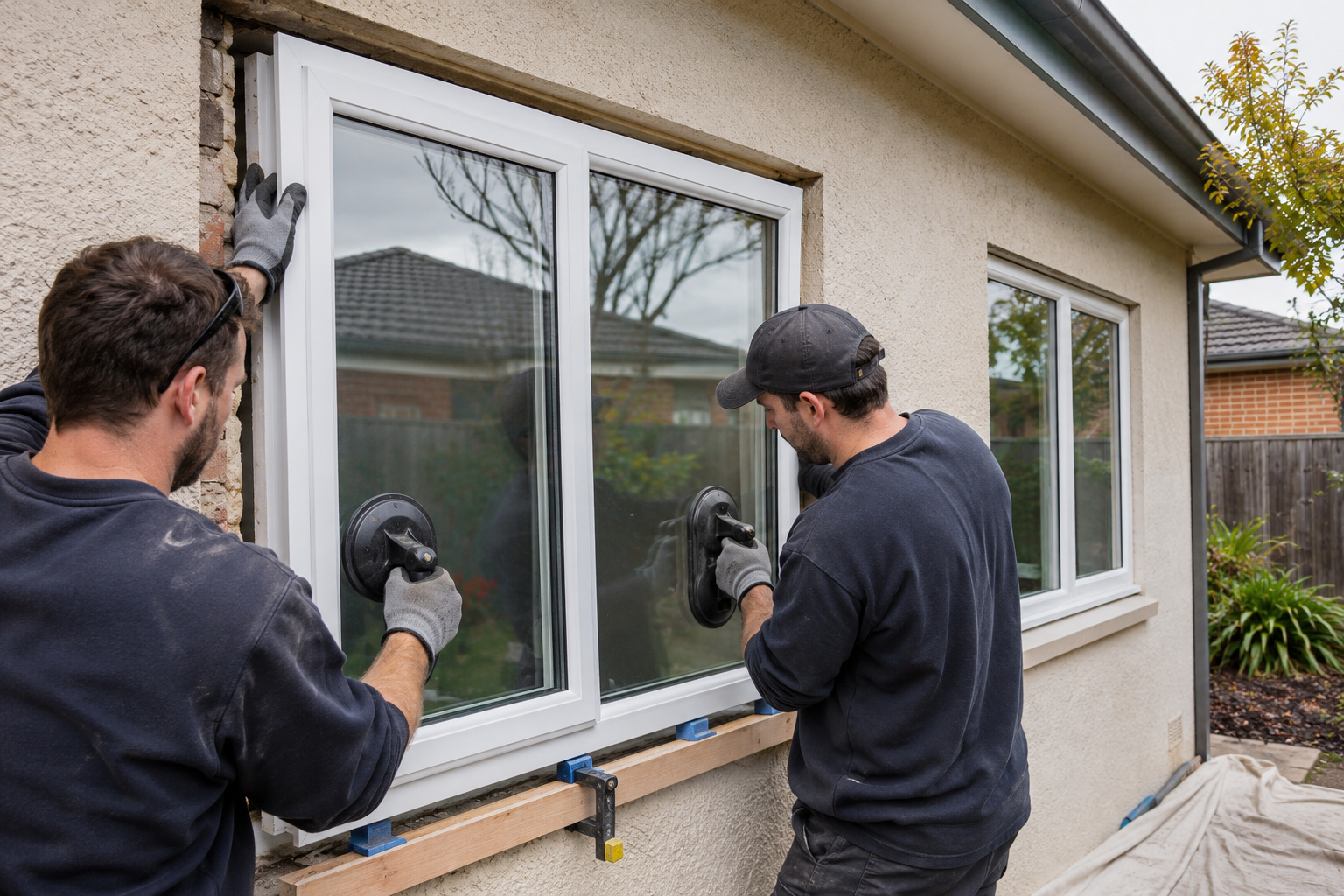
Each stage is a separate job: a measure of each opening in that stage, windows made to order, then the install. So the house is worked on more than once. Our post on how long double glazed windows take to make and install covers the timing of each step.
Before you commit to a staged plan, ask two questions. Is a later stage priced the same way as the first? And will the same frame colour and profile still be available, and match, when you come back?
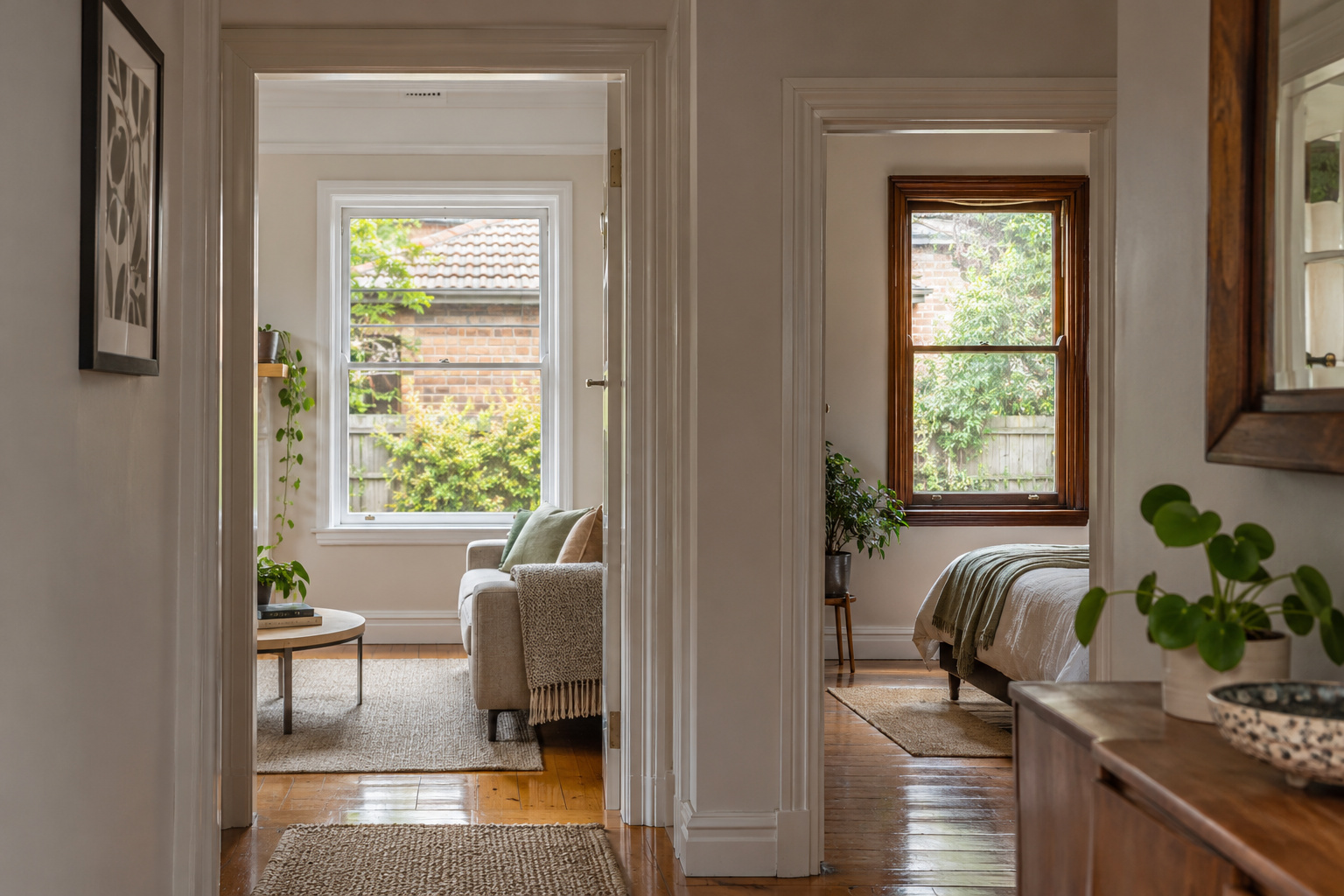
You will also live with a mixed house for a while. There is an upside. A finished room beside an untouched one gives you a direct comparison inside your own home.
The quote is what makes staging workable. Our guide to replacing the windows in your old Melbourne home describes a quote broken down by window, so the scope can be adjusted if the total is higher than expected.
Staging is not always the better plan. Doing every window in one go is worth pricing when:
Windows are also not always the first upgrade. Sealing gaps and adding ceiling insulation cut the load on your heating, and better glazing then holds that improvement in. Our post on how the Victorian double glazing rebate works explains how the upgrades can be ordered.
This is an illustrative house, not a client job. It is a single-storey, four-bedroom brick veneer with a west-facing living and family area.
| Stage | Openings | Why this order |
|---|---|---|
| First | Living and family area, including the sliding door | Most hours of use, and the largest glass in the house |
| Second | Main bedroom | Used every night |
| Third | Other west- or south-facing rooms | Afternoon heat on the west, steady heat loss on the south |
| Fourth | Remaining bedrooms | Used at night, but with smaller windows or a north aspect that is easier to shade |
| Last | Bathroom, laundry and hallway | Fewer hours and small windows |
Your house will sort differently. If your living room faces south, it still goes first, because of the heat it loses on winter nights. If a bedroom faces a busy road, it can jump to the first or second stage on noise alone.
The simplest next step is a quote that lets you compare both routes. Book a site measure through our window replacement service, which covers every opening in the house. Ask Weatherall Windows for a whole-house quote, itemised by window, with the first stage priced separately. That puts the staged route and the single visit side by side on paper. You can send plans or photos of the windows through our contact page.
Not necessarily. Plan the two together. Insulation and sealing reduce how much heat the house needs, and new windows help it keep what it has.
Yes. A single window is a sensible first stage if it is in a room you use every day, is the largest glass in that room, or has stopped closing properly.