
It starts around three o’clock on a February afternoon. The living room that felt fine at lunch begins to glow. The couch heats up. The TV screen washes out. By four-thirty, someone has drawn the curtains, flicked on the air conditioner, and written off the room until sunset.
Anyone who has lived with west-facing glass in Victoria knows the pattern. The sun drops low, hits the window almost side-on, and pushes heat into the room in a way that north-facing glass rarely does. North windows can be shaded with a simple eave. West windows catch light that slides underneath most fixed overhangs and lands square on the glass.
The good news is that the problem is well understood. The fix usually involves a combination of shading, glazing choice, and decent sealing. The trick is getting the balance right so the room stays cool without turning into a cave.

Most homeowners never see these figures on a quote, but they are the fastest way to compare one window option against another without getting lost in marketing language.
SHGC (Solar Heat Gain Coefficient) measures how much of the sun’s heat passes through the glazing system. A lower number means less heat gets in. A window with an SHGC of 0.25 lets in roughly half the solar energy of one rated at 0.50.
VT (Visible Transmittance) measures how much daylight passes through. A higher number means a brighter room.
The tension between these two numbers is real. Some products cut heat by cutting light. A heavily tinted window might solve the afternoon oven effect but leave the room feeling dull on overcast mornings and through winter. The goal is to bring the SHGC down enough to control heat while keeping VT high enough that the room still feels like a room people want to use.
For anyone after a broader reference point on energy performance in Australian homes, the Australian Building Codes Board is a solid place to start.
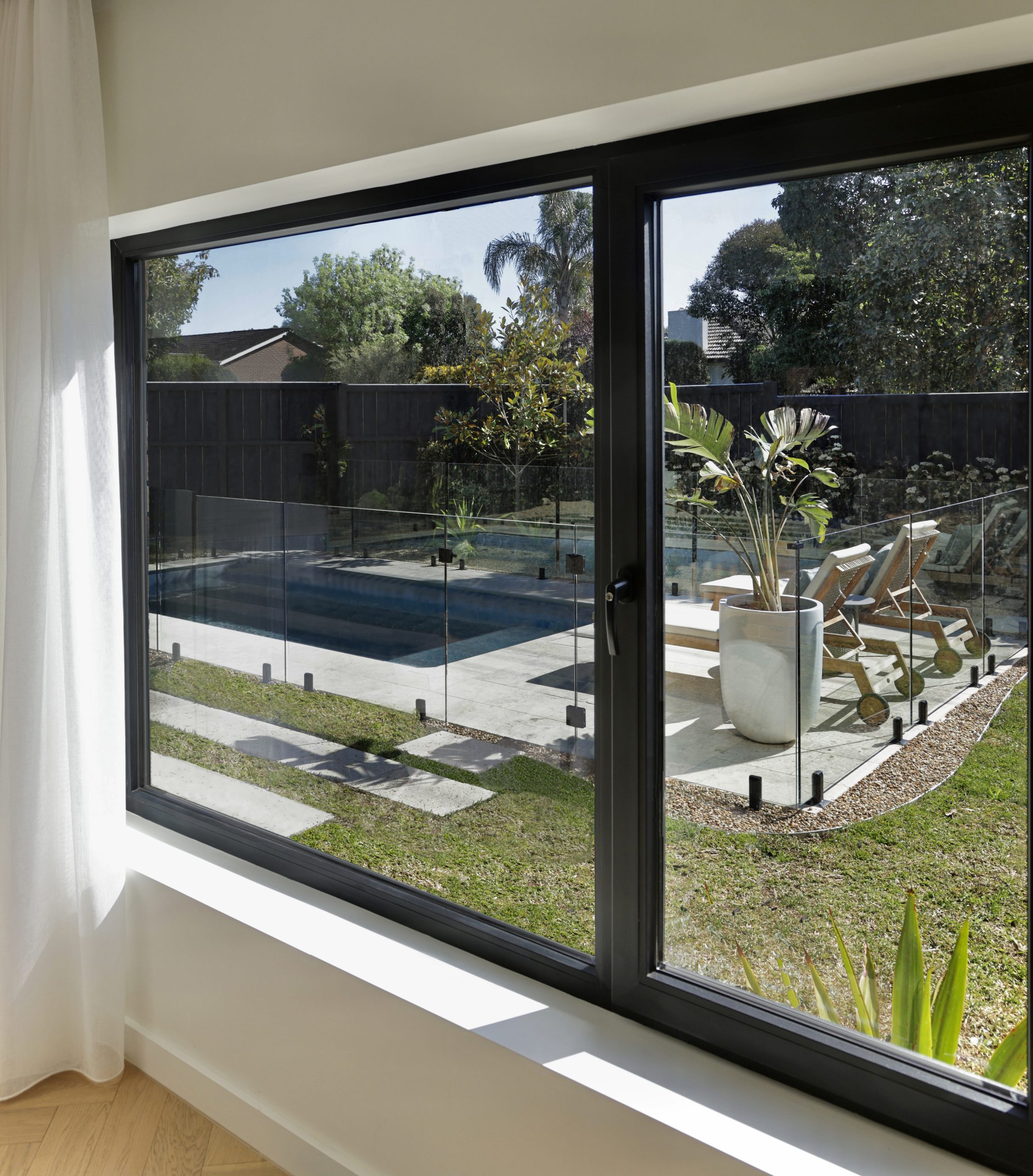
The most effective way to manage west sun is to stop it reaching the glass in the first place. Once solar energy passes through a window, it is inside the building. Internal blinds can reduce glare and make the room feel more comfortable, but they do not stop the heat from entering.
For west-facing windows, useful external options include adjustable blinds or shutters, pergolas or screens angled for late-afternoon sun, and deciduous planting that shades in summer without blocking winter light. The right approach depends on the building, the orientation, and what the homeowner is willing to maintain.
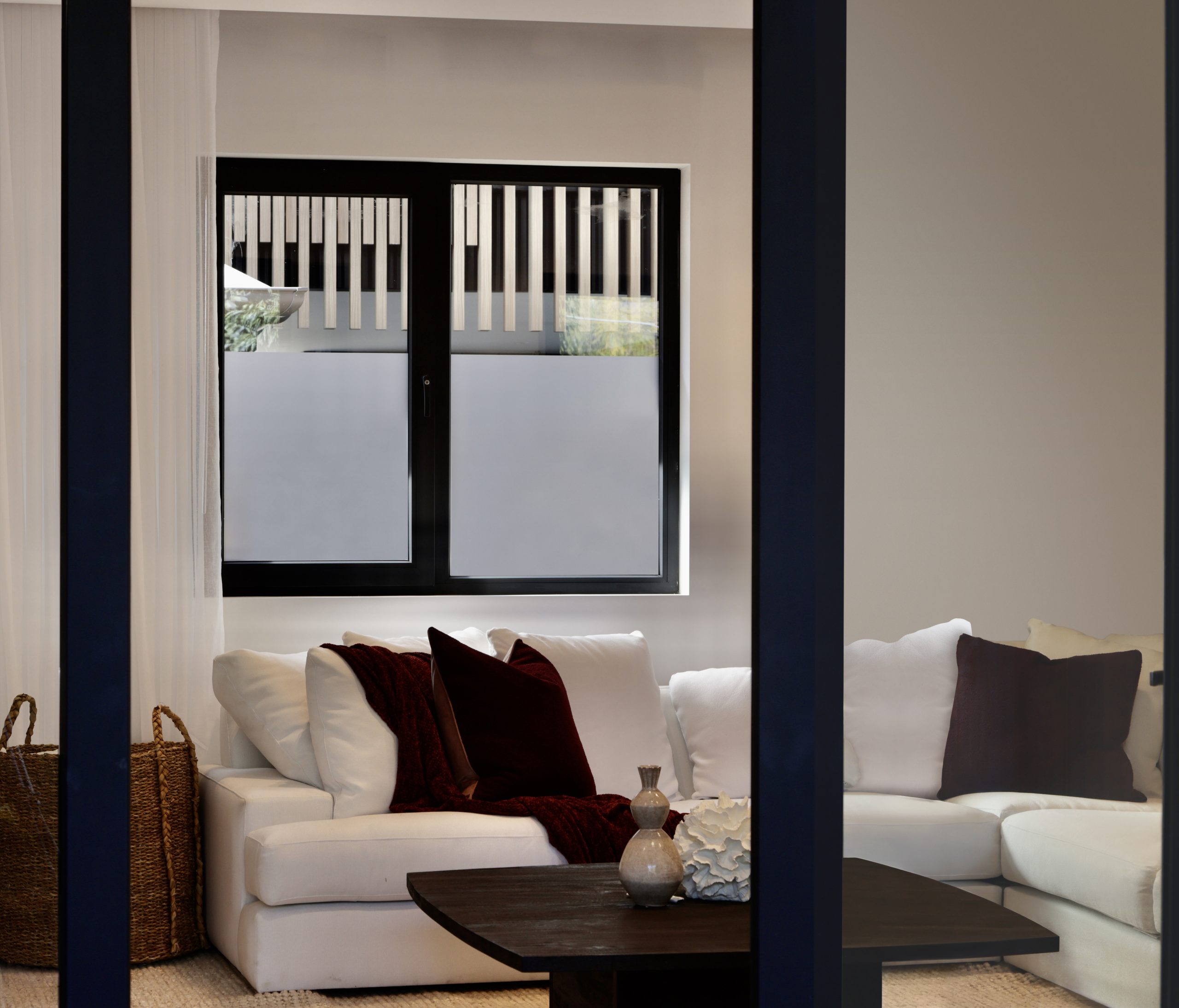
Low-E coatings come in different configurations. Some are tuned to reflect solar energy and reduce heat gain. Others are designed mainly to retain warmth inside during winter. A window described as “Low-E” could sit at either end of that spectrum.
Rather than relying on a label, it is more useful to ask for the SHGC and VT of the specific glass being quoted. That way, the comparison is based on performance, not terminology.
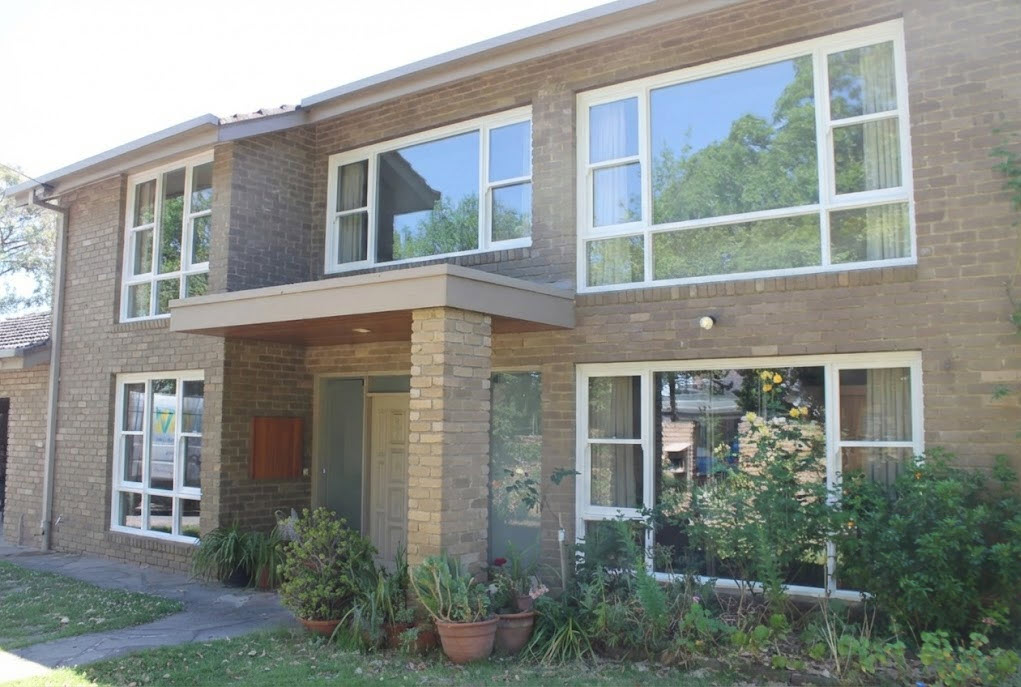
Double glazing reduces heat transfer caused by the temperature difference between inside and outside. It also improves comfort near the glass, cutting the radiant chill in winter and reducing that hot-panel feeling in summer.
However, for a west-facing room with strong afternoon sun, double glazing on its own may not solve overheating unless the SHGC is low enough and shading is part of the picture. The insulating effect of the air gap works well for conductive and convective heat, but solar radiation is a different mechanism.
Weatherall Windows offers double-glazed uPVC configurations that can be specified with different glass types and coatings. Their team can walk through the SHGC and VT trade-offs for a specific room, which is particularly useful when the west-facing window is also the room’s primary light source.
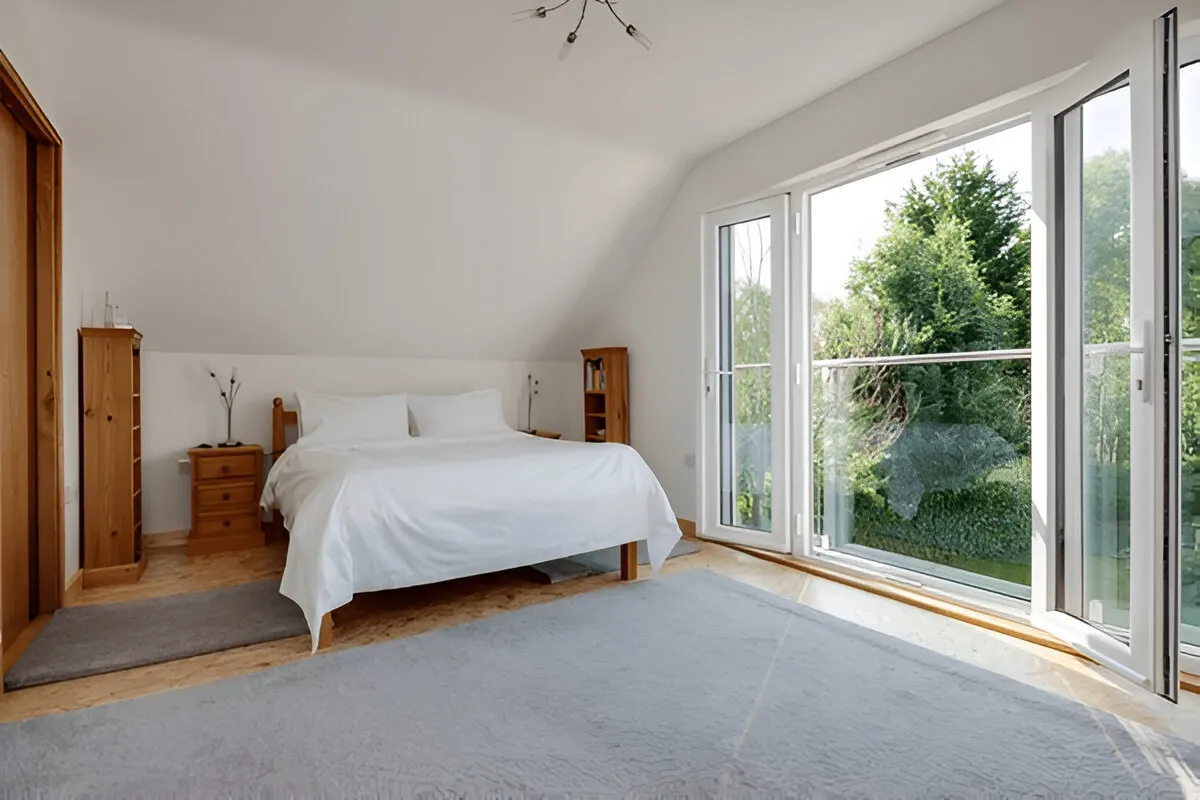
A well-performing window loses much of its benefit if warm air leaks in around the frame. Gaps between the frame and the wall, worn seals, or poorly fitted hardware can create comfort problems that get blamed on the glass itself.
uPVC frames, such as those manufactured by Weatherall, have an advantage here. The multi-chambered profile acts as a thermal break, and the material does not expand and contract to the same degree as aluminium, which helps seals hold their integrity over time. A well-sealed uPVC system can feel noticeably more comfortable even before the glass performance enters the conversation.
When comparing quotes from any supplier, requesting a few specific details makes like-for-like comparison straightforward.
Ask for the SHGC and VT of the proposed glazing configuration, and whether the numbers apply to the whole window unit or just the glass. Ask what type of glass is being quoted: clear, toned, laminated, or coated, and what the coating is. Confirm the opening type and hardware, because this affects both sealing and day-to-day usability. And ask, at a high level, how the installation will manage sealing and water shedding around the opening.
None of this requires a spreadsheet. It just means the homeowner can place two quotes side by side and see where the real differences sit.
Choosing the darkest tint to block heat, then spending twelve months in a gloomy room, is the most common regret. A dark window solves summer afternoons but punishes the room on every grey Melbourne day in between.
Relying on internal blinds alone and wondering why the room still heats up is another. The blinds manage glare well, but the heat has already crossed the glass.
Assuming “double glazing” automatically means “heat control” trips people up too. Double glazing improves insulation, but solar gain is governed mainly by the glass type and any coatings applied to it.
And ignoring ventilation strategy means the room that baked at four o’clock is still warm at nine. If there is no way to flush the heat out once the sun drops, the room retains it well into the evening.

Weatherall Windows has published several related guides on their blog that sit alongside this topic. Their comparison of uPVC versus aluminium windows covers the thermal performance differences between frame materials. Their overview of awning windows is worth reading for anyone thinking about ventilation as part of a west-facing heat strategy. And their breakdown of double-glazed versus single-glazed windows provides useful context on insulation performance.
For homeowners across Melbourne and regional Victoria, Weatherall’s Campbellfield showroom is a practical starting point. Seeing uPVC profiles and glass samples in person makes the SHGC and VT conversation far more tangible than any brochure can.
Late-afternoon sun sits low in the sky and hits west-facing glass almost side-on. This delivers high solar gain and harsh glare. Unlike north-facing windows, west facades often lack the fixed eaves or overhangs that provide natural shading.
Double glazing improves insulation and comfort near the glass, but overheating on west faces is mainly driven by solar gain. A lower SHGC rating and external shading typically matter more than the air gap alone.
Tint reduces solar gain, but it also reduces daylight. Comparing SHGC and VT numbers before committing helps avoid ending up with a room that solves the heat problem but feels dark year-round.
SHGC measures how much solar energy passes through the glazing. U-value measures how easily heat transfers through the window due to the temperature difference between inside and outside. Both matter, but for west-facing heat problems, SHGC is usually the more important number.
Internal blinds help with glare and make a room feel more comfortable, but most of the solar heat has already entered the building once it passes through the glass. External shading is far more effective at keeping heat out.
It can, if conditions allow. Night ventilation depends on outdoor temperature, security, insects, noise levels, and whether the window configuration supports cross-ventilation.
For strong west sun, external shading is usually the highest-impact first step. Glazing selection then refines the comfort and glare control beyond what shading alone achieves.
Request the SHGC and VT for the specific glazing configuration being quoted, confirm whether the numbers are whole-window or glass-only, and ask for a clear description of the glass type, opening style, hardware, and how the installation will manage sealing.
