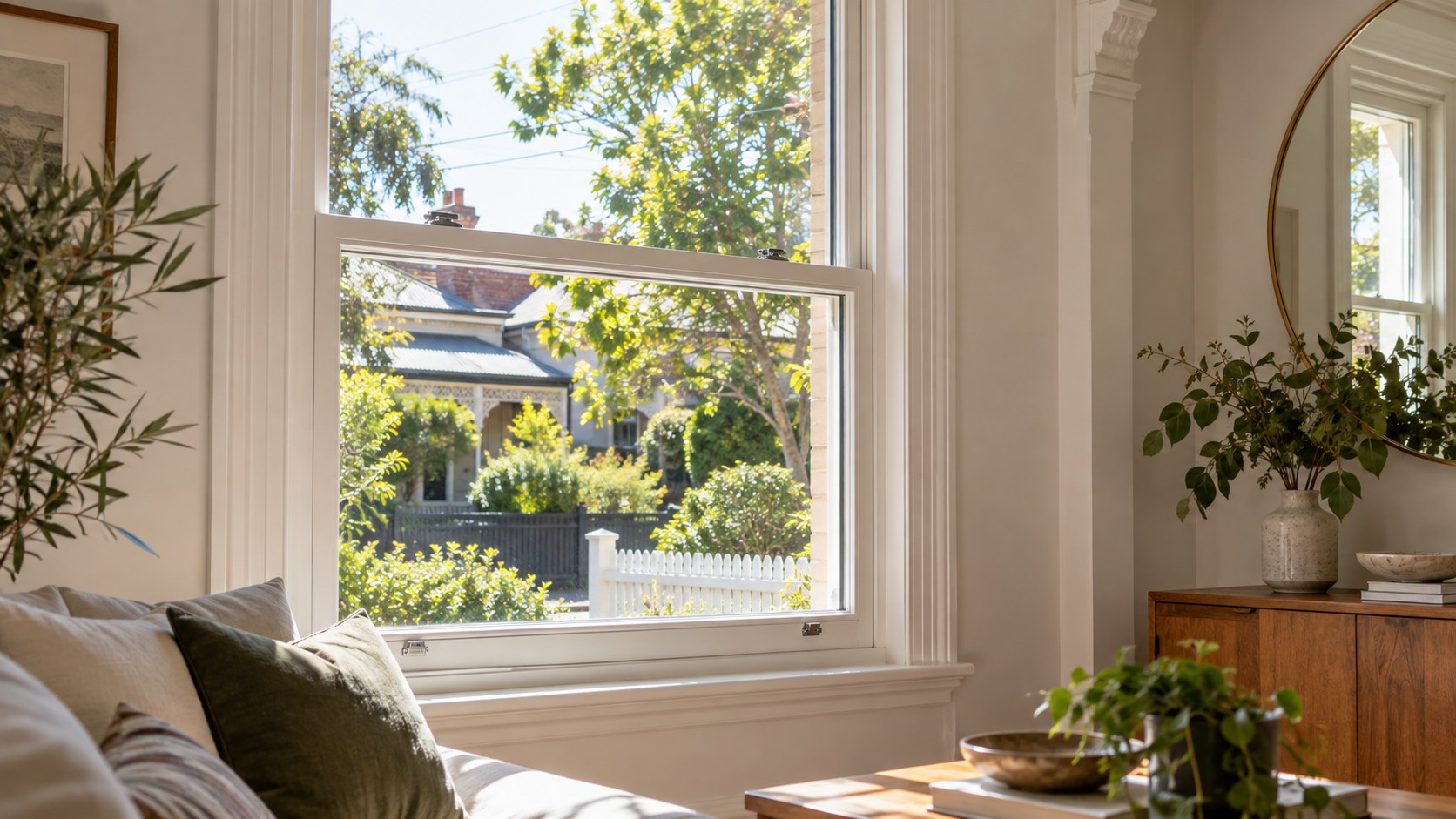
Yes, in three ways, and each one gives up something specific. Changing single glazed windows to double glazed without new frames can be done with retrofit glazing, which fits a sealed double glazed unit into the frame you already have and gives up the frame, because the old one goes on leaking air. It can be done with secondary glazing, a second pane fitted inside the existing window, which gives up some warmth because its edges cannot be sealed the way a factory-made unit is. Or with window film, which sticks to the glass and gives up the air gap altogether, so it works on summer sun rather than winter heat loss.
Start with what you have got now.
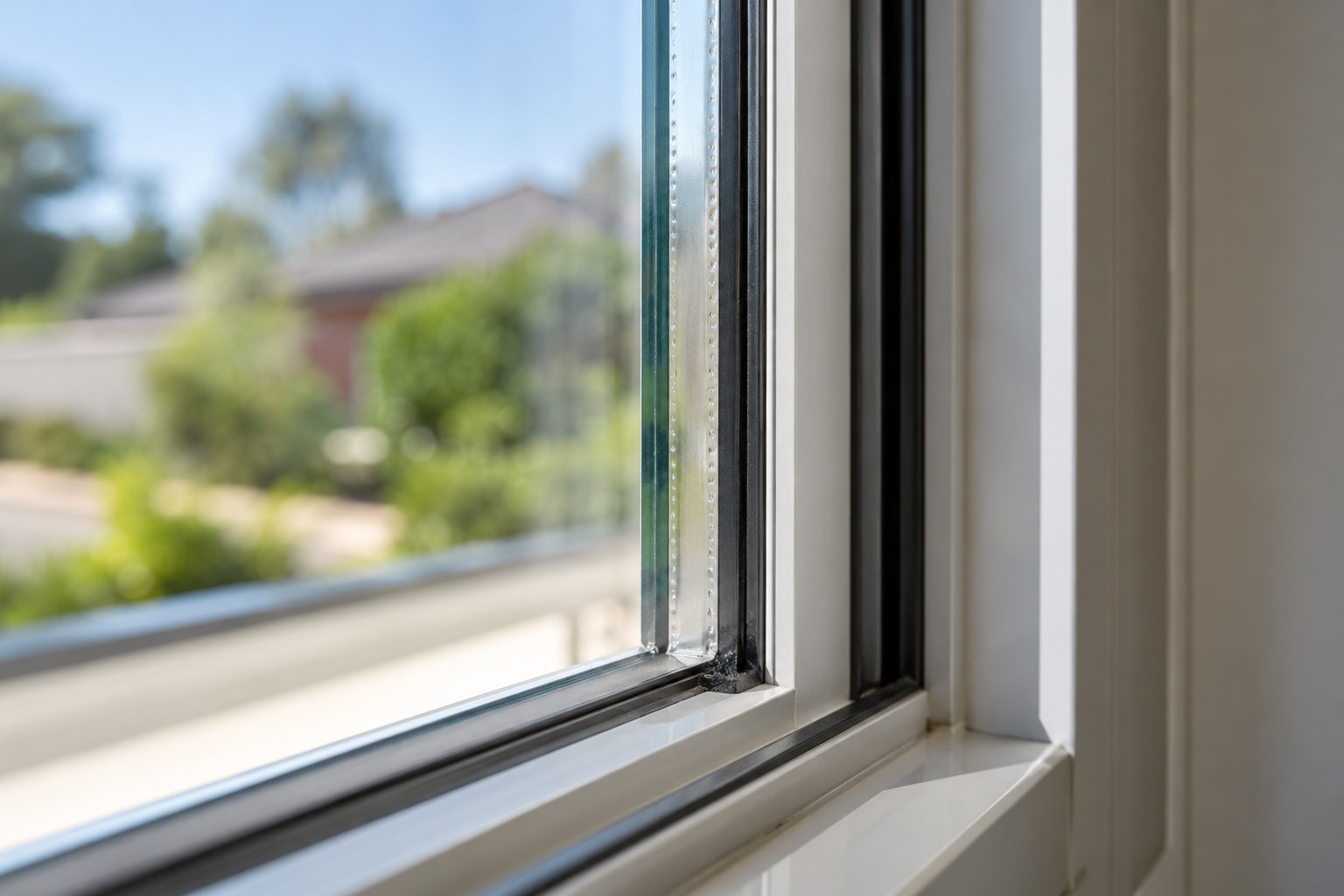
Look at the edge of the glass, where it disappears into the frame. A double glazed window is a sealed unit: two panes held apart with a gap between them, closed and sealed at the factory. Running around the perimeter of that gap is a spacer bar, a thin strip of metal or grey plastic holding the two panes apart. If you can see that strip at the glass edge, you have double glazing. A single pane has nothing there.
Two more checks back that up. The glass is visibly thicker at the edge, because you are looking at two panes and a gap rather than one sheet. And the bead, the slim strip of frame holding the glass in, sits deeper because it has more to hold.
There is also a reflection trick, and it is worth knowing where it stops being useful. Hold something bright close to the glass. A sealed unit reflects off more than one layer, and the reflections sit slightly apart, offset by the width of the gap. Counting them is where people come unstuck, because every pane reflects off both of its faces. Trust the spacer bar instead.
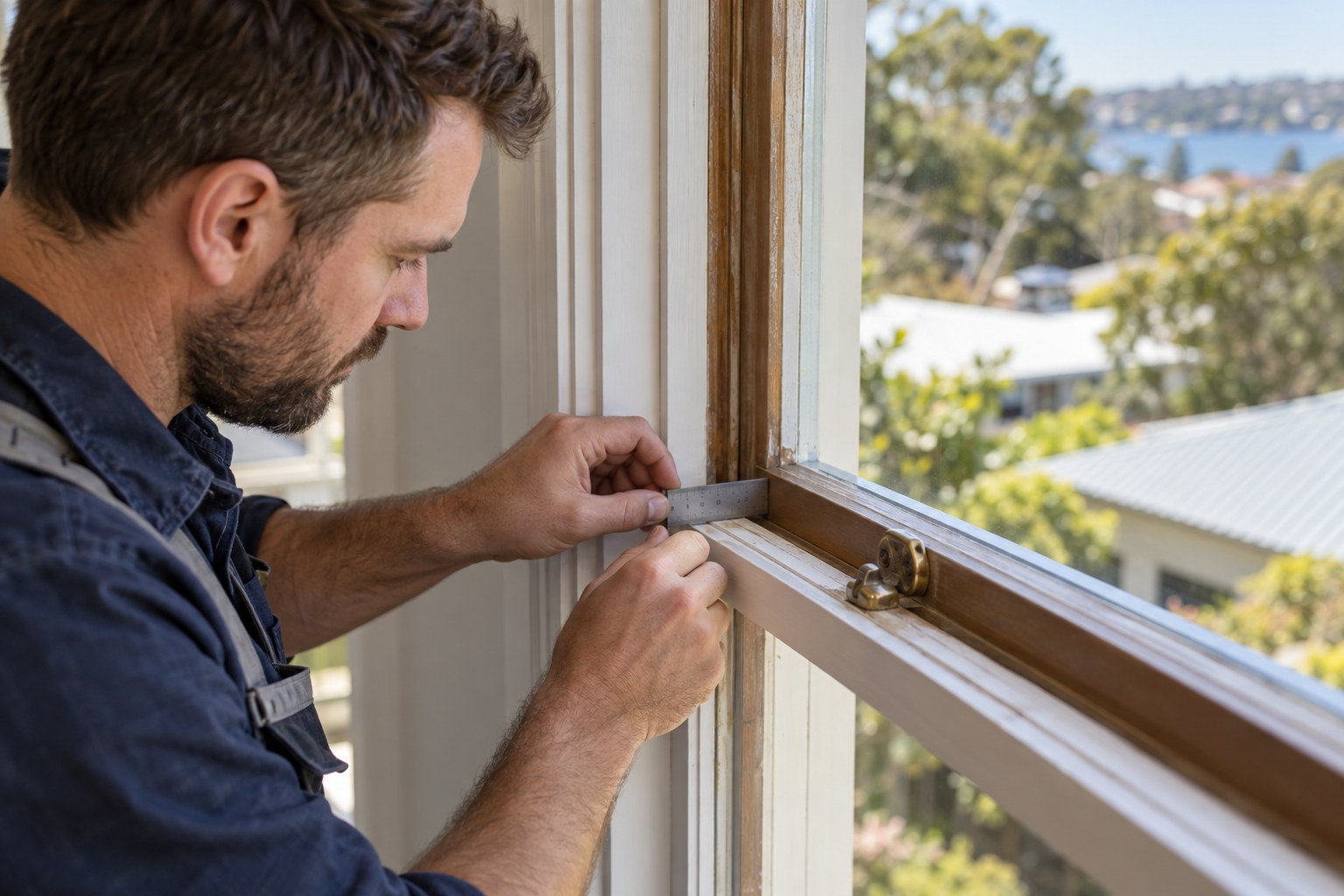
Sometimes, and it comes down to a measurement. The groove that holds the glass in the frame is called the rebate. A single pane needs a shallow one. A sealed unit is thicker, so it needs a deeper one. Whether your frames have that depth is worked out on site, with the glass out. It is a fair question to ask of any frame, timber or aluminium, because the answer changes from product to product.
The second question is whether the frame deserves the money. Timber that has rotted at the sill, or a sash that has dropped and no longer closes square, will not hold a new unit any better than it held the old one. A retrofitter should look at the sill and the moving parts before quoting.
Then there is the part that decides whether the whole exercise is worth it. The frame does not get better. Changing single glazed windows to double glazed this way buys you better glass and keeps the part of the window that leaks air, and the frame is not a minor part of the total: the frame makes up between a third and half of the window. That is why two windows with the same glass can perform very differently.
All three of these routes cost less than replacing the whole window, and there is a separate guide on this site setting out what retrofit and secondary glazing cost.
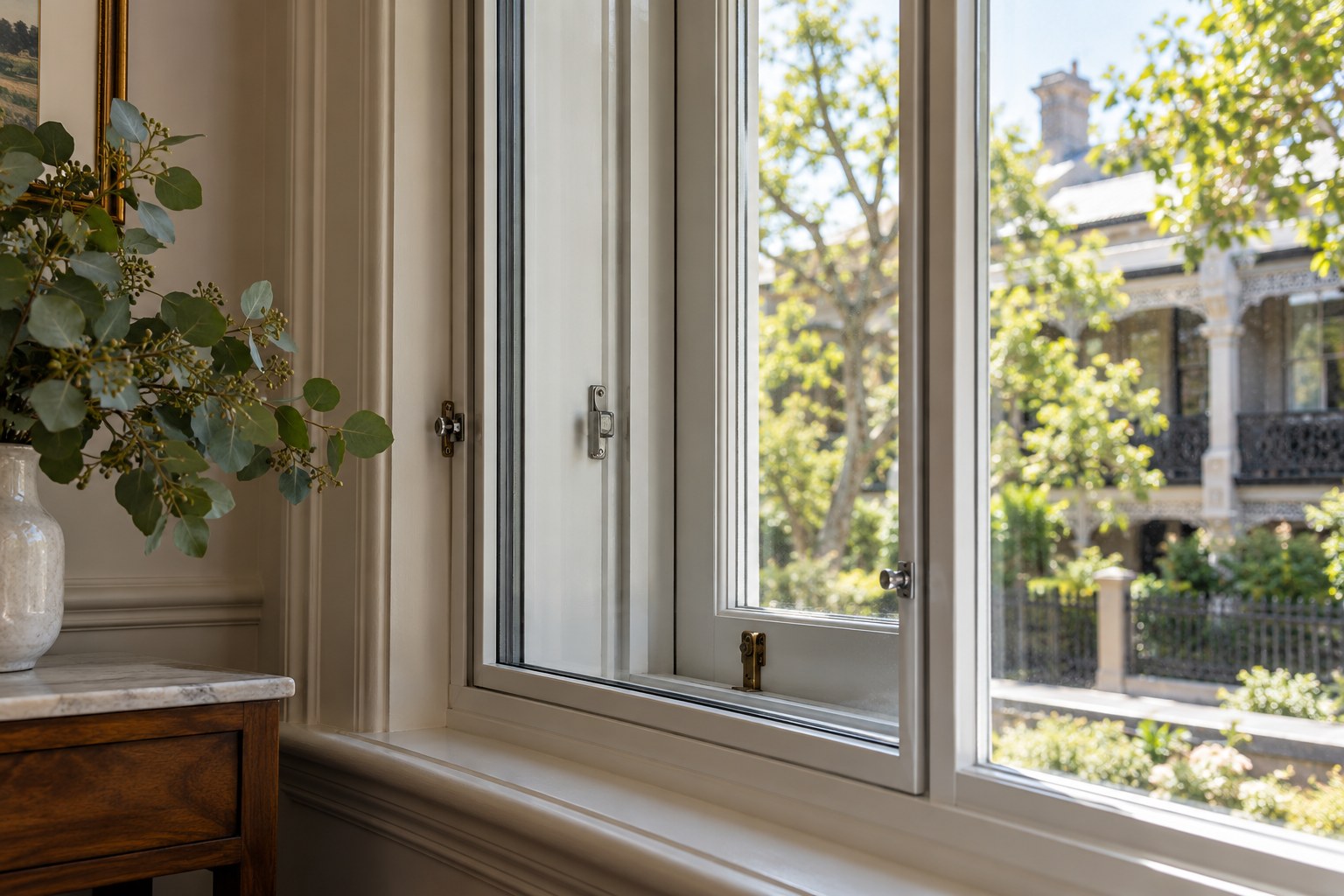
Secondary glazing is a second, independent pane added to the room side of the window you already have. It is a sheet of glass or clear acrylic, held in its own light frame or on magnetic strips, and it makes an air space between the two layers. The original window stays where it is.
That air space is doing the same job as the gap inside a sealed unit, but not as well. YourHome, the Australian Government’s guide to sustainable homes, puts the reason plainly: secondary glazing will not perform as well as a manufactured sealed unit, because it is impossible to seal the perimeter completely. Air still moves at the edges.
Noise is the exception, and often the reason people choose it. The same guide says secondary glazing can give good noise control, and there is a separate article here on what glass can and cannot do about traffic noise.
It is also the option that suits a house whose windows have to stay as they are. Plenty of period homes in Melbourne’s inner suburbs sit in a heritage overlay, which can restrict changes to the front of the house, and the council decides what is allowed on a given property. Where the front windows have to keep their original look, a pane fitted on the inside leaves the outside untouched.
Secondary glazing can also qualify for the Victorian glazing discount in its own right, the same way full double glazing can, as long as the product is on the state’s register of approved products. Renters are eligible too. How that discount works is covered in full on this site.
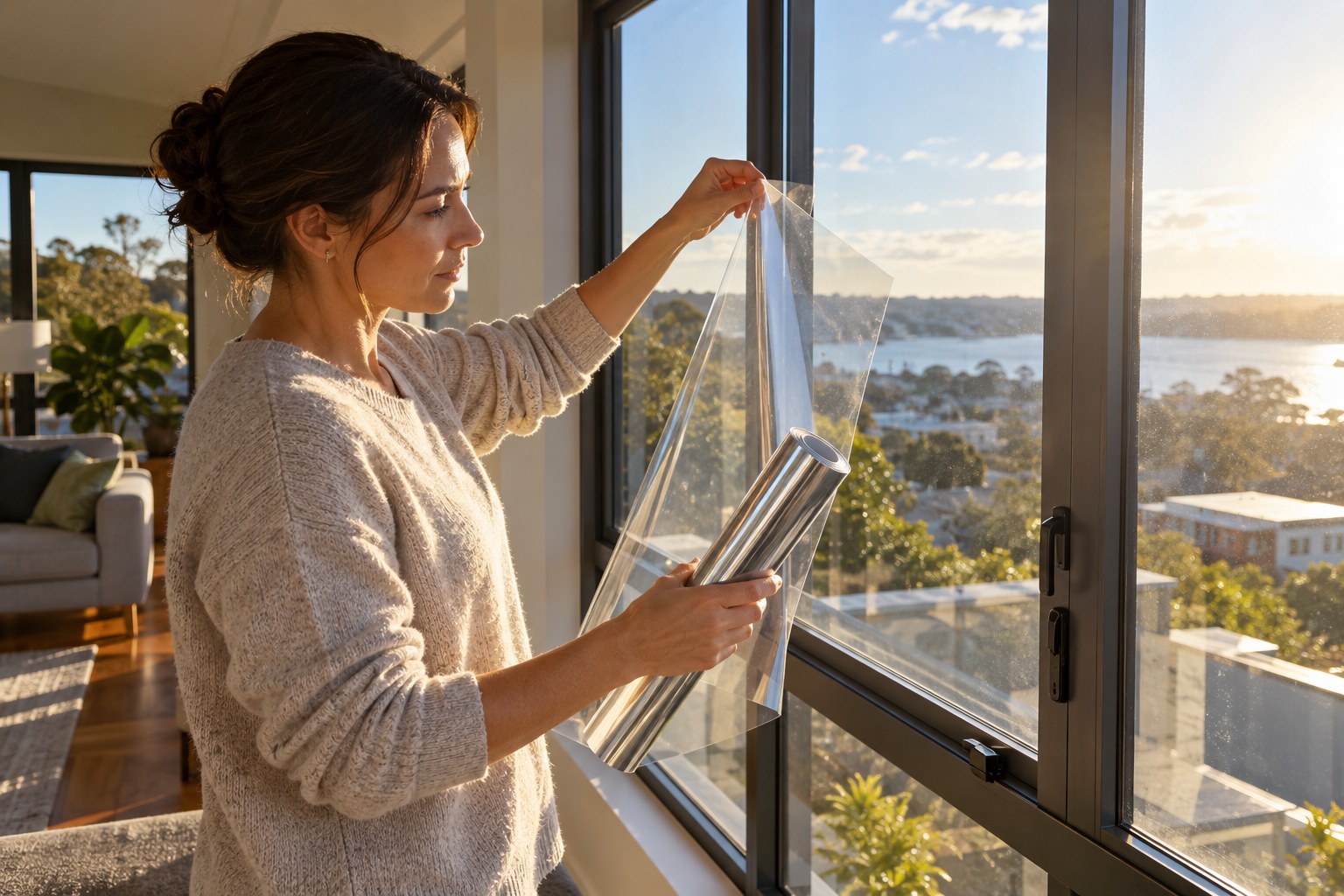
Not as double glazing, no, but it does a real job of its own. Window film is a thin polymer layer holding a dye or a reflective metal coating, with an adhesive back, and it sticks to the glass you already have. It adds no pane and no air gap.
What it changes is how much of the sun’s heat gets through. The government guide above says some films can halve that, by soaking up or bouncing back the sunlight hitting the glass. That is most useful in hot weather and on the east and west faces of a house, where the low sun sits on the windows for hours.
Two costs come with it. Film can cut the amount of daylight reaching the room. And glass with film on it gets hotter in direct sun than bare glass, so guidelines exist to stop it cracking from the heat. That is why it is a job for an accredited installer rather than a Sunday afternoon.
With no air gap, film does very little about heat escaping on a cold night and nothing about draughts. If a product clips on rather than sticks on and leaves a space behind it, it is not film: a magnetic acrylic panel is secondary glazing and works that way.
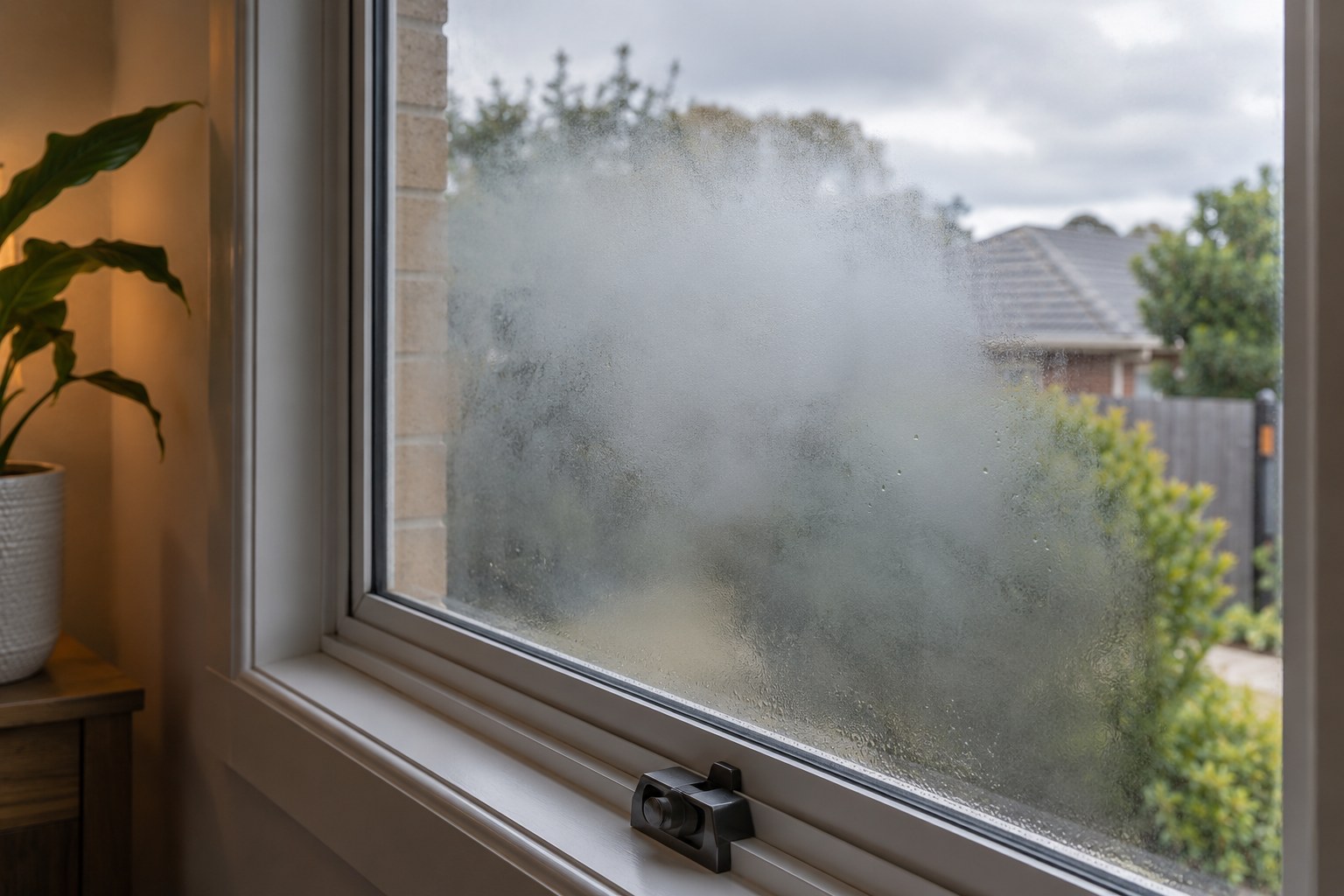
It costs the most of the options on this page, by some way: new frames, new sashes and factory-made units, rather than new glass in old ones.
Sealed units are heavy. Two panes weigh roughly twice what one does, so the hinges, the locking and the installation all have to carry more. A cheap job shows it in the hardware first.
When a sealed unit fails, the seal goes and moisture gets into the gap, and the unit is replaced rather than repaired. There is a full explanation of that on the page about how long uPVC windows last.
And the point that ties this page together: none of it does anything about a frame that leaks air. A draught around a badly fitted or worn-out frame is a separate problem from heat moving through the glass, and better glass does not touch it. The straightforward case for double glazing over single glazing is set out in its own article here.
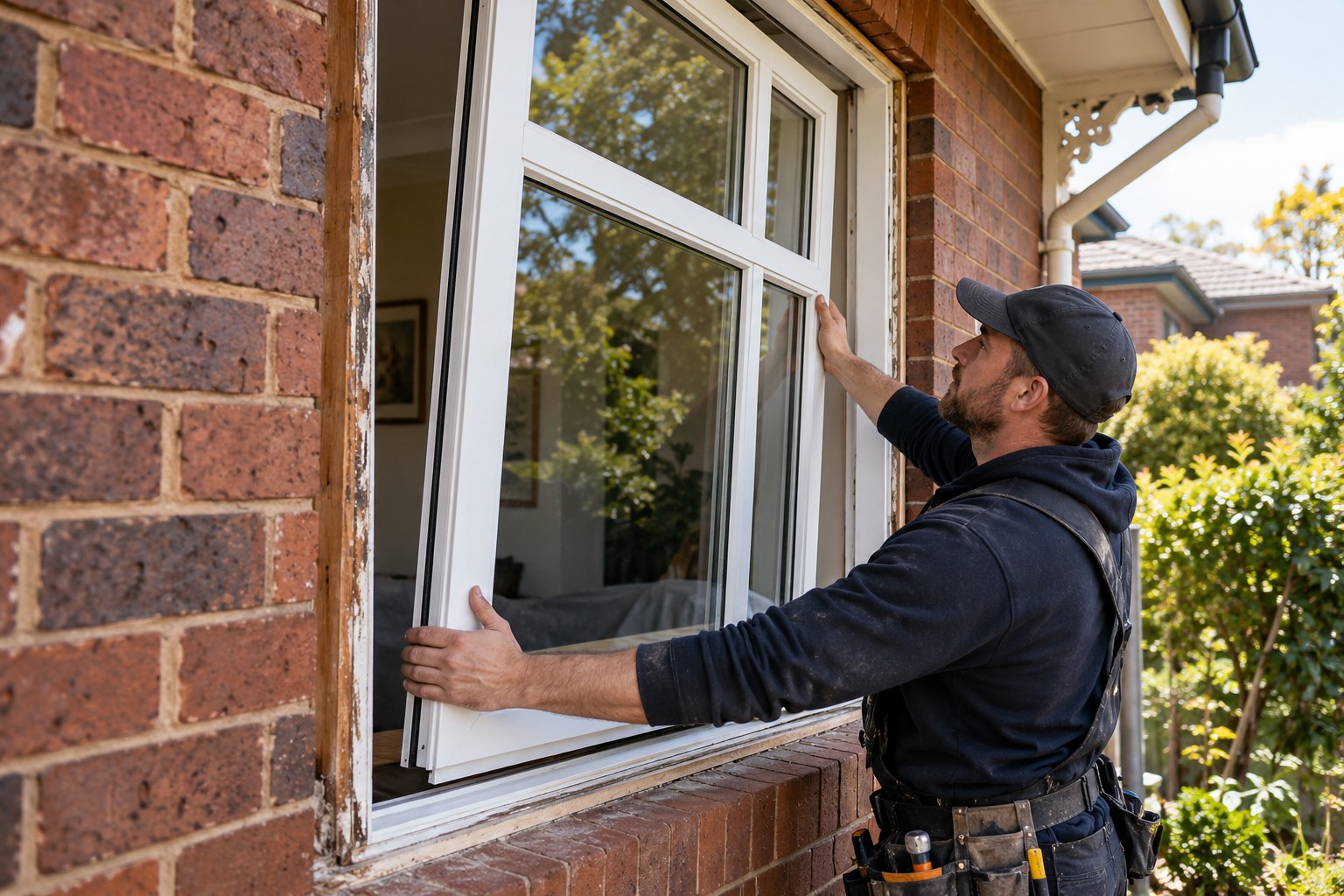
Replacing whole openings, frame and all, is the only route on this page that deals with air leaking around the frame as well as heat passing through the glass. It is also the only one that resets the life of the window rather than extending it, because everything that wears out is new on the day it goes in. What the job involves is set out in the article on replacing windows in an older Melbourne home.
Here is a rule you can hold against your own house.
A house does not have to be done in one go. The worst rooms can be done first, which is covered separately on this site.
What settles it is a measurement. Rebate depths, frame condition and the size of each opening change the answer window by window, so a per-window average from a search result tells you little about your own house. Send your details to Weatherall Windows through the contact page, or call 1300 132 095, and book a site measure so the comparison is priced against the windows you have.
Double glazing is one window holding two panes sealed together as a single unit. Secondary glazing is two separate windows, the old one and a new pane in front of it, with room air between them. The gap does similar work in both, but only the sealed one is closed off from the air in your house.
It is worth doing where the frames are sound, have the depth to take a unit, and cannot be replaced. It is poor value in a frame that is coming to the end of its life, because the new glass then sits in something that will need replacing anyway.
Barely. Film works on sunlight arriving at the glass, not on warmth leaving through it, and it adds no trapped air to slow that down. Buy it for a hot room, not for a cold one.