
uPVC (the rigid plastic used for modern window frames) windows cost more than aluminium, so their durability is worth checking before you commit. If you are paying the premium, you want to know how long uPVC windows last and what they will ask of you over the years.
The short answer: a quality uPVC window lasts around 20 to 35 years, and often longer with light care. The frame usually outlives the sealed glass and the moving parts inside it. Modern frames are made with UV stabilisers, so they hold their colour and do not go yellow the way early ones did. Upkeep is mostly washing and the odd check. There is no painting.
A uPVC window is three parts: the frame, the sealed glass unit, and the hardware that opens and locks it. Each has its own lifespan, and they rarely wear out together.
The frame is the long-lived part. Good uPVC does not rot, rust or swell, so a well-made frame often lasts 30 years or more. The sealed glass unit, two panes of glass with a sealed gap between them, is usually the first thing to tire. Most last around 20 years before the seal starts to fail. The hardware, meaning the hinges, handles and locks, wears with daily use and can be swapped on its own.
This split matters when you are deciding what to do with an ageing window. Often the frame is still sound and only the glass unit or a handle needs attention. That is a repair, and it costs a fraction of a full window.
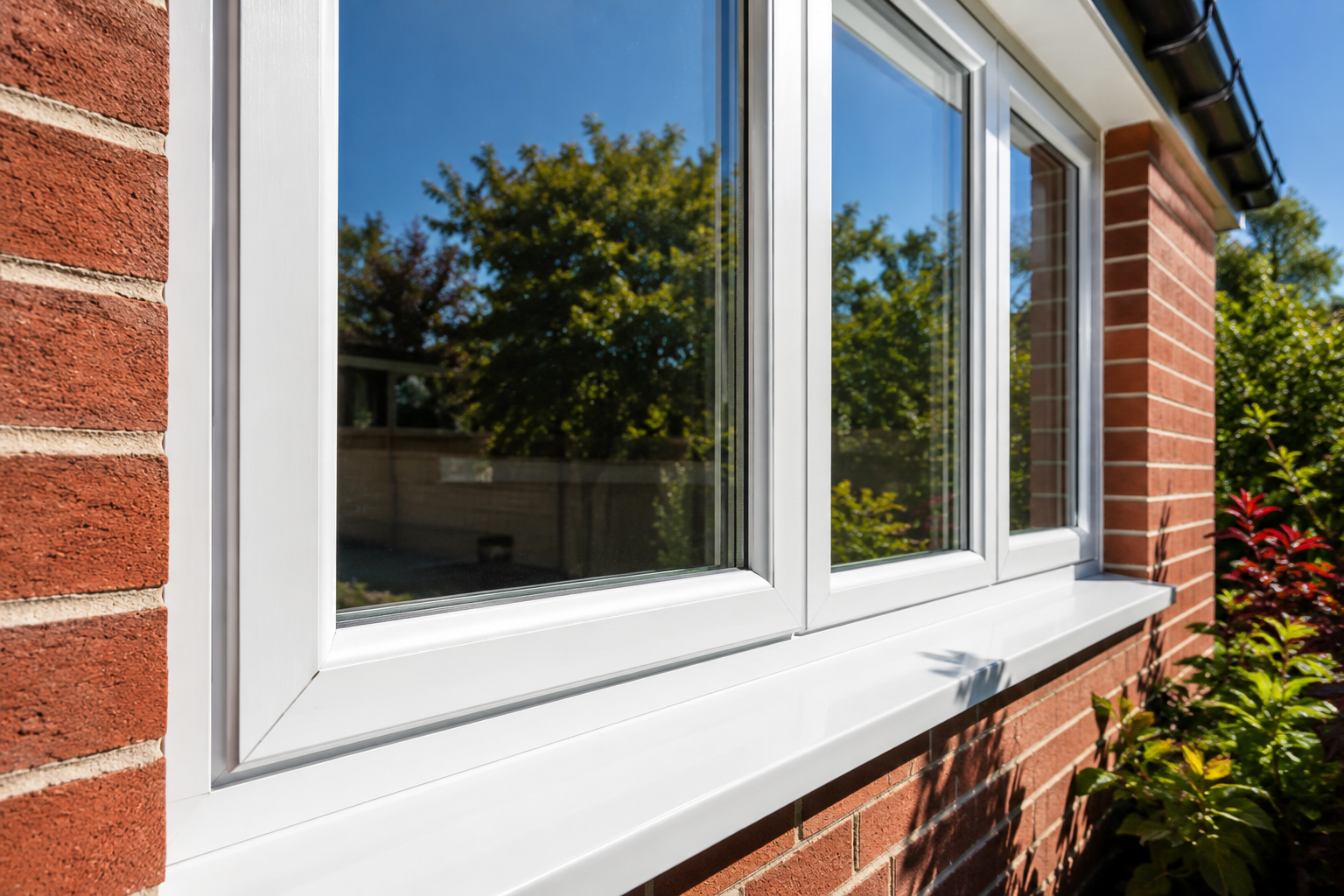
Yes, but not much. uPVC is low maintenance. That is a step short of maintenance-free. The upkeep is simple and adds up to minutes across a year.
One warning. Keep bleach, acetone, paint thinners and abrasive scourers away from uPVC. They strip the smooth outer layer and leave the surface open to staining and sun damage. Soft cloth and mild soap do the job.
Good modern uPVC does not go yellow. Cheap uPVC can. The difference comes down to UV stabilisers.
Sunlight slowly breaks down bare PVC. That is what turned some 1980s and 1990s frames a dull cream colour. Quality profiles fix this by mixing UV stabilisers, such as titanium dioxide, right through the material rather than coating the surface. The protection runs all the way through, so a scratch does not expose raw plastic.
This matters more here than in most places. Australia gets some of the strongest UV in the world, and a west-facing window in Melbourne cops hours of hard afternoon sun. A frame with proper UV stabilisers holds its colour for decades in that light. A budget frame with little stabiliser can start to yellow within a few years.
So the useful question is about grade. Ask what UV stabiliser the profile uses before you sign anything.
Three things cut a uPVC window's life short: a cheap profile, a bad install, and a failed glass seal.
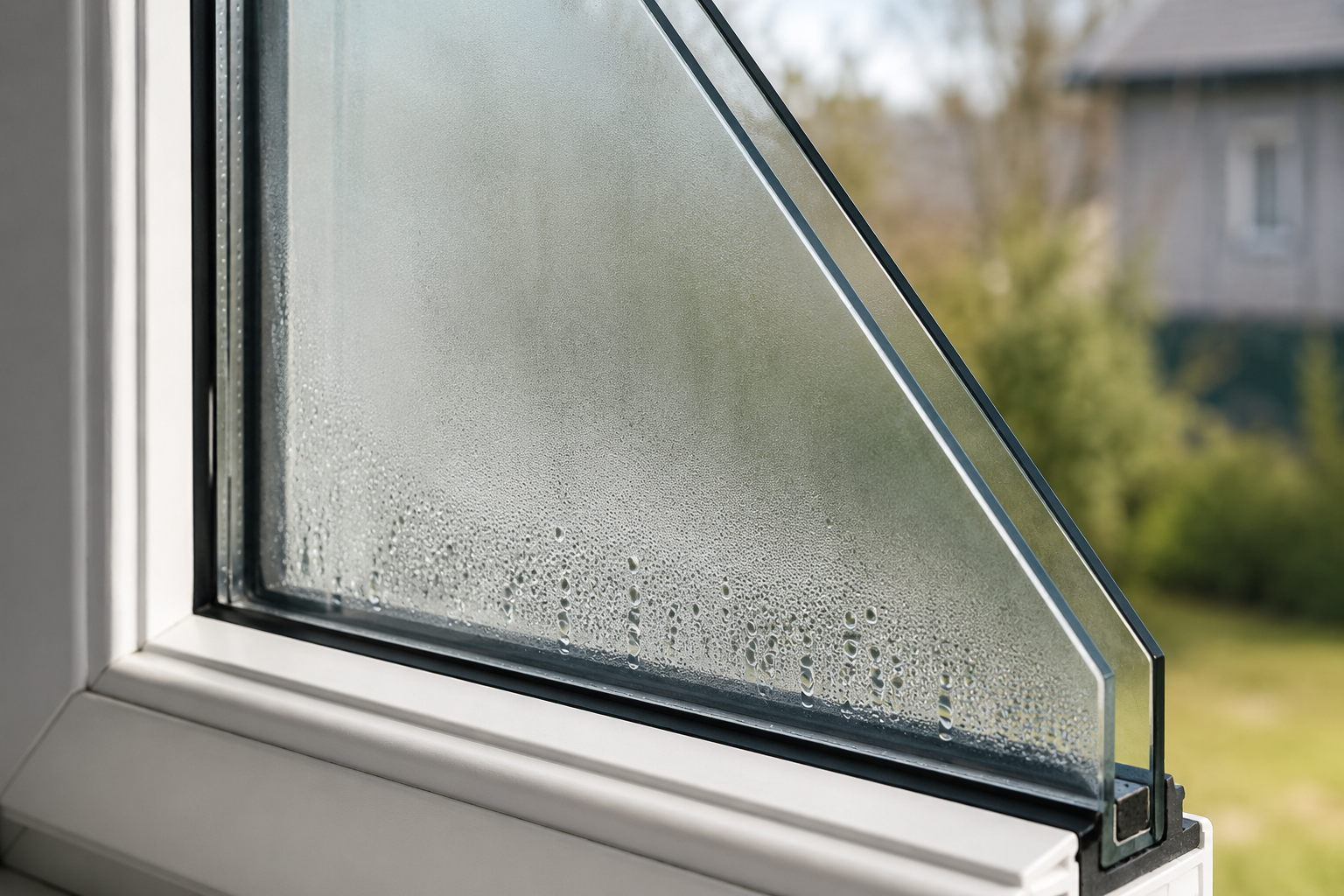
Fog or mist between the two panes of glass means the sealed unit has failed. This is not the condensation you can wipe off the inside of a window. The moisture is trapped inside the glass unit where you cannot reach it.
Inside every double glazed unit is a sealed gap, often filled with argon gas, with a strip of drying agent around the edge. When the seal breaks down, damp air gets in and the drying agent gives up. The result is that misty look, sometimes called a blown or failed unit.
Here is the good news. In most cases you replace the sealed glass unit alone and leave the frame in place. The new unit goes in and the window performs like new again. That is far cheaper than a full replacement.
Buying from the maker helps here. When the same manufacturer built the window and still makes the profile, you can get a matching replacement unit years later rather than chasing a supplier who has moved on.
When is a full replacement the better call? If several units have blown, the hardware is worn out and the frames are twenty-five years old, a fresh set can cost less over time than repairing piece by piece.
Every window material lasts a long time on paper. What separates them is the upkeep and how they cope with Melbourne's climate.
| Material | Typical lifespan | Regular upkeep | Usually fails first at |
|---|---|---|---|
| uPVC | 20–35 years, often more | Wash frames and tracks, check seals and hardware. No painting. | The sealed glass unit, then the hardware |
| Aluminium | Frame lasts decades | Wash, and rinse salt off near the bay. No painting. | Heat passing through the frame; pitting near the coast |
| Timber | 30–60+ years with care | Repaint or re-stain every few years, treat against rot. | Rot and warping if the paint or seal lapses |
Aluminium frames are tough, but the metal carries heat and cold straight through, which shows up as condensation and higher energy bills. Near the bay, salt can pit the surface over time. Timber looks the part and lasts for decades, though it needs repainting or re-staining every few years to hold off rot. Once water gets into bare timber, the damage does not wait.
A few times a year is plenty for the frames. Wipe them with warm soapy water and a soft cloth, and clear the tracks and weep holes at the same time so water drains freely. Homes near the bay or a busy road may need it a little more often.
Usually, yes. Fog between the panes means the sealed glass unit has failed, and in most cases that unit can be swapped out while the frame stays in place. It costs far less than a whole new window. If several units have blown and the hardware is worn, a full replacement may be the better value.
Quality uPVC does not. The profile is made with UV stabilisers mixed through the material, which hold the colour against years of harsh sun. Cheaper frames with little stabiliser can yellow or dull within a few years, so the grade of uPVC is the thing to check.
Ten years is a common manufacturer warranty on quality uPVC frames. Read what the warranty covers, since the frame, the sealed glass unit and the hardware are often covered for different lengths of time.
No, and any seller who says so is overselling. uPVC is low maintenance, which is a different thing. There is no painting or re-staining, but the frames still need the odd wash, and the seals and hardware should be checked from time to time.
Ask two questions before you sign. What UV stabiliser is in the profile, and how long the frame, glass unit and hardware are each covered. The answers tell you whether you are buying a window that lasts decades or one that fades in a few summers. The team at Weatherall Windows can walk you through both against your own plans.
