
Older Melbourne homes are full of windows that worked fine in 1985 and don't anymore. Drafty timber sashes that swelled shut every winter, aluminium frames sweating with condensation in July, single-glazed glass that does nothing to slow road noise or summer heat. If you're staying in the house long enough to feel the next 10 winters in it, the windows are worth replacing.
Weatherall Windows manufactures uPVC double glazed windows and doors at our Campbellfield facility and installs across Melbourne and regional Victoria. We've been doing it for over 50 years. This page covers what window replacement involves, when old windows are worth replacing, why uPVC double glazing suits a renovation specifically, what affects the cost, and how the project runs from first phone call to finished install.
Full-frame window replacement means removing the old unit (frame, sash, and glass), preparing the opening, and installing a new unit in its place. The job runs for one to three days on a typical house, depending on the number of windows and access. The team that turns up at your door is the team that built the windows: Weatherall manufactures every uPVC frame and sash at our Campbellfield factory, then installs across Melbourne and regional Victoria.
In most older Melbourne homes, the original architraves and internal trims survive the install with minor touch-ups rather than full replacement. Plaster, render, and brickwork also stays in place most of the time. The work that does come up, such as rot in a sill, a non-square opening, or crumbling old fixings, is routine for an experienced installer and gets handled on install day without sending the job sideways.
Many window replacement jobs don't need a building permit, but check with your council if your home is in a heritage overlay or you're changing window sizes or openings. The team can walk you through this on the site measure.
For the step-by-step of what a replacement project looks like in a weatherboard, brick-veneer, or double-brick Melbourne home, our longer guide to replacing windows in older Melbourne homes is the deep-dive read.
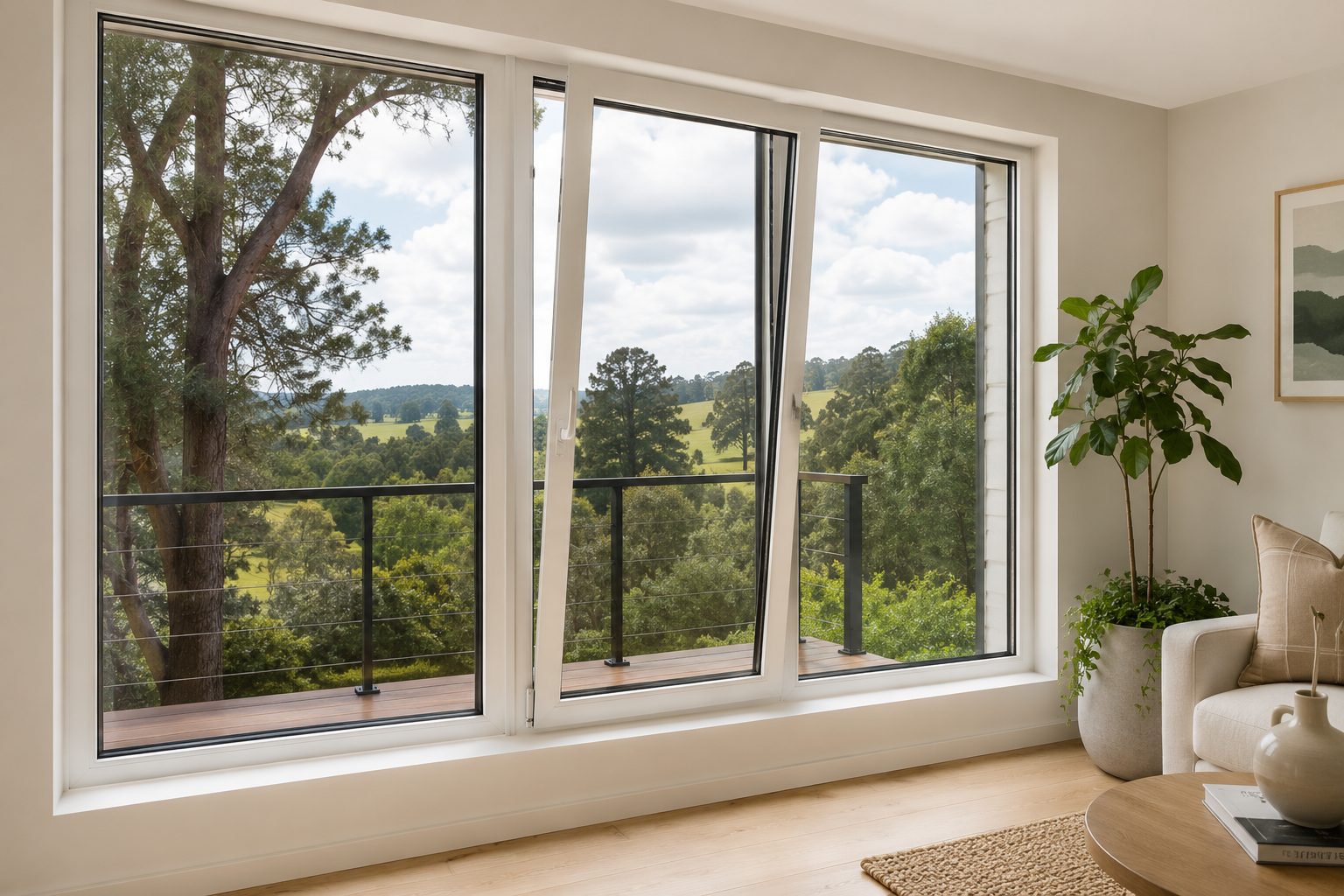
You usually know already. The trigger is rarely a single decision; it's the accumulating cost of windows that have stopped doing their job. The most common reasons Melbourne homeowners book a site measure with us:
If your windows show two or three of these, replacement starts to make practical sense as part of the next round of work on the house. If they show five or six, you're already losing money every season to heating and cooling that's escaping through the glass and frames.
uPVC double glazing is unplasticised polyvinyl chloride with two panes of glass and an inert gas fill between them. The frame doesn't conduct heat the way aluminium does, the sealed glazing unit slows heat transfer in both directions, and the whole assembly resists weathering without paint or re-treatment for decades.
For a renovation specifically, the case is stronger than it is for a new build. You're buying once for a house you plan to keep, which changes the maths. The 20 to 30 percent uPVC premium over aluminium is real at quote time. Over the 15 to 30 years a window lives in a wall, the gap closes through lower heating and cooling bills, no painting or sealing costs, and a frame that doesn't need to be replaced again because it warped or corroded.
The thermal numbers matter. According to yourhome.gov.au, the Australian Government's residential design guide, up to 40 percent of a home's heating energy is lost through windows in winter and up to 87 percent of summer heat builds up through them. A double glazed uPVC window with Low-E glass and an argon fill can achieve a U-value as low as 1.4. Lower U-values mean slower heat loss.
Our 30-year cost comparison of uPVC and aluminium windows breaks the numbers down further.
Window replacement is quote-based because the variables move the total significantly. The main factors:
For indicative ranges across both per-window and whole-of-home costs, our 30-year cost comparison article breaks the numbers down. The article holds the figures so they stay accurate to current pricing.
The process is the same whether you're replacing two windows in a Carlton terrace or all 14 in a Doncaster brick-veneer. Four stages:
We come to you, measure every opening, walk through colour and configuration options, and produce a quote that accounts for your specific house. No charge
Every window and door is built at our Campbellfield factory, not imported from overseas. Lead times are tighter and the team behind the products is the team that warranties them.
Our installers fit the windows over one to three days on a typical job, working through the house in a planned sequence so you're not exposed to weather any longer than necessary.
Backed directly by us as the maker. If something needs to be looked at down the track, the call goes to the people who built it, not a distributor.
We were the official window and door supplier for House 3 of The Block 2023, which gave the install logistics a useful proving ground. Most projects don't have a television crew watching, but the install runs the same.
Tell us about your project and we'll arrange a site measure. The more detail you can send up-front, the more accurate the early conversation can be.
What helps us most:
A team member will respond within one business day to arrange the site measure. There's no charge for the measure or the quote.
