
Most Melbourne homes built before 2005 have aluminium window frames. They were cheap, they did not rot like timber, and for a long time that was enough. But aluminium conducts heat and cold with brutal efficiency. In winter, the frame chills to near-outdoor temperatures. Condensation pools on the glass. The air within a metre of the window feels measurably cooler than the centre of the room, and the ducted heating runs longer to compensate.
Timber frames handle thermal transfer better, but they rot, they swell, they peel, and they need repainting on a cycle that never ends. Every round of sanding and priming is money spent keeping the frame alive rather than improving its performance.
uPVC double glazed windows solve both problems at once. The frame does not conduct heat. It does not absorb moisture. It does not need painting. And when paired with double glazing, it changes how a room holds temperature, handles noise, and costs to run across a Melbourne year.
That combination is why the material has been the dominant residential window choice across the UK and northern Europe for decades. It took longer to arrive in Australia, but the same physics applies here, and Melbourne’s climate puts it to work.
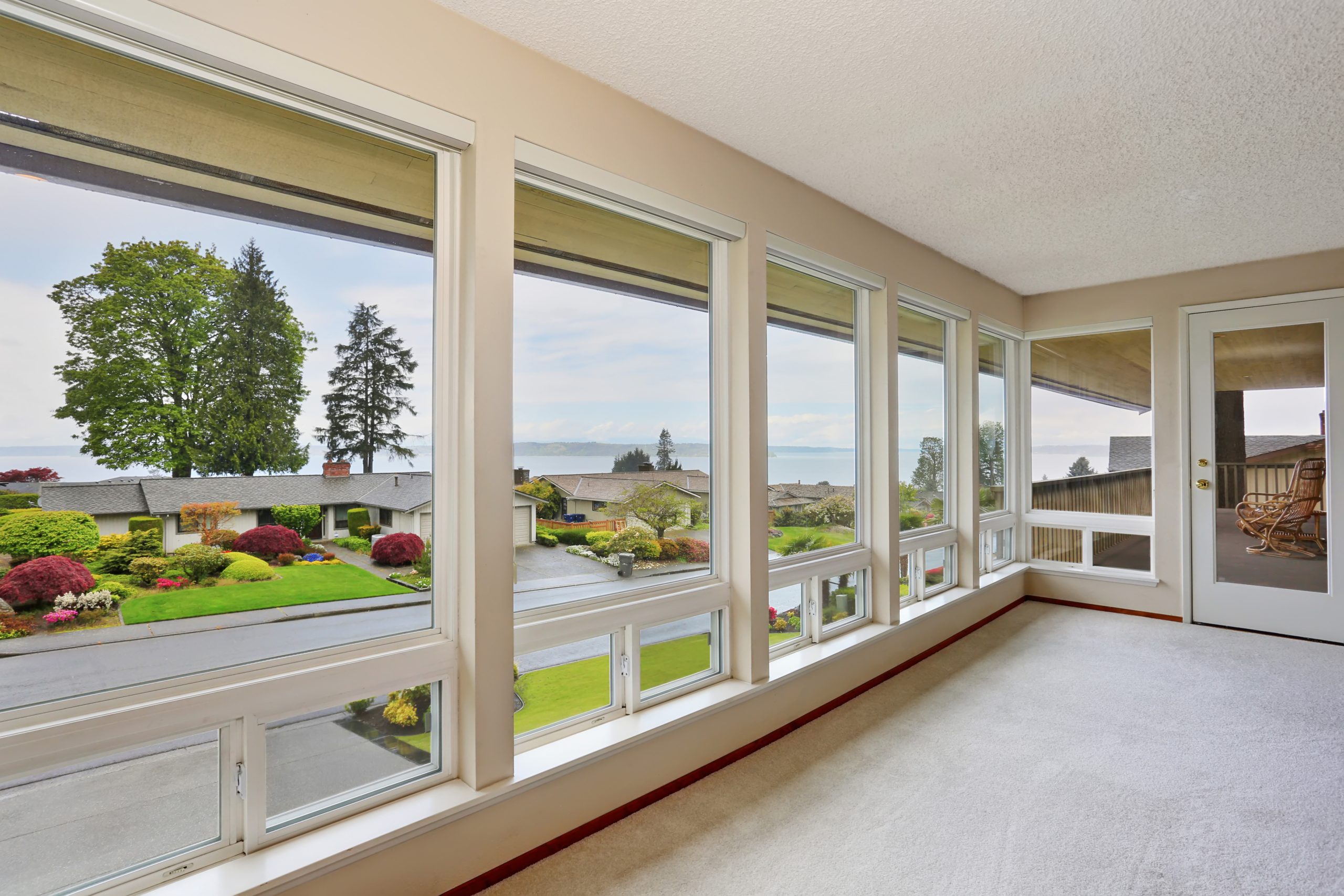
Melbourne’s climate is not extreme by global standards, but it is relentless in its variation. A July morning can sit at 4°C. A February afternoon can push past 40°C. The gap between those two numbers, and the speed at which conditions shift, puts real pressure on windows.
Older aluminium frames conduct heat and cold efficiently, which is exactly what you do not want a window frame to do. In winter, the frame chills. Condensation forms on the inside of the glass. The air near the window feels noticeably cooler than the rest of the room, and the heating system works harder to compensate.
Timber frames handle thermal transfer better, but they bring a different set of costs. Moisture gets in. Paint peels. Timber swells in wet weather and shrinks in dry. The maintenance cycle never ends, and every round of sanding and repainting is time and money spent keeping the frame alive rather than improving its performance.
The triggers that bring homeowners to the decision tend to fall into a few patterns:
uPVC (unplasticised polyvinyl chloride) is a rigid plastic compound used for window and door frames. It has been the dominant residential framing material in the UK and much of Europe for decades, though it arrived later in the Australian market.
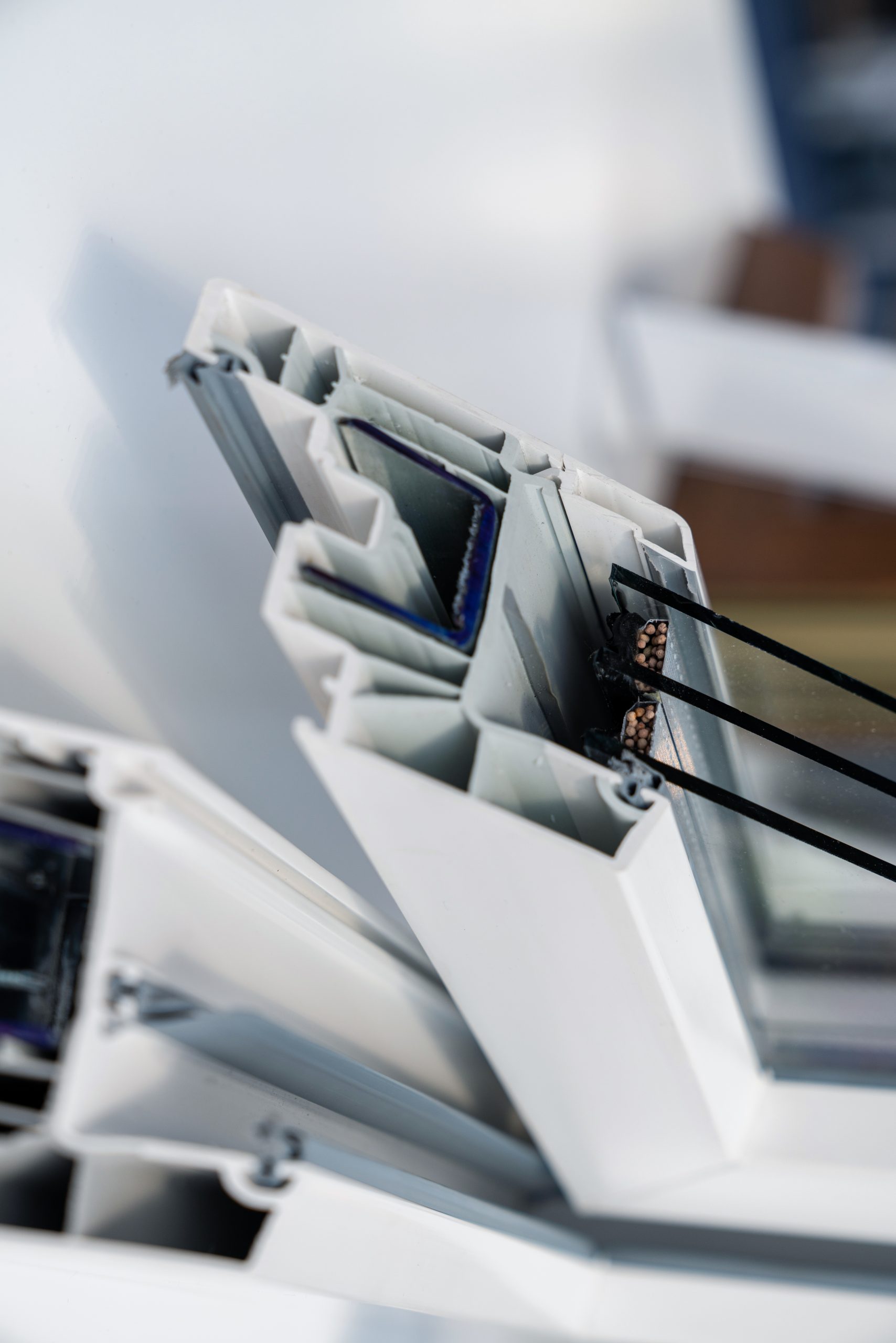
Two properties matter most. First, uPVC does not conduct heat the way aluminium does. The multi-chambered profile inside the frame creates small pockets of trapped air, which slow thermal transfer between inside and outside. Second, uPVC does not absorb moisture, so it does not rot, swell, or need repainting.
Paired with double glazing, the combination changes how a room behaves. The sealed air gap between two panes of glass acts as insulation, reducing heat loss in winter and heat gain in summer. The frame supports that performance instead of undermining it.
In practical terms, this shows up in ways that are hard to measure with instruments but easy to feel:
These are not dramatic overnight transformations. They are steady, cumulative changes in how the house feels to live in.

Most homeowners do not replace every window at once. The typical pattern in Melbourne runs something like this: one or two problem windows go first, usually in a bedroom or a living area where the discomfort is hardest to ignore. The household lives with the new windows for a few months, compares those rooms to the rest of the house, and comes back to do the remaining windows in a second round.
This staged approach makes financial sense. It also gives the homeowner a direct comparison inside their own home, which is more convincing than any spec sheet or showroom visit.
For renovations that involve structural changes, new openings, or extensions, the window selection happens alongside the build. In those cases, the full range of frame types and opening styles comes into play: casement, awning, tilt and turn, sliding, and fixed panels can all be specified in uPVC to match the design and orientation of each room.
No material solves everything, and it is worth being honest about where uPVC sits.
It will not match the heritage look of traditional timber in every context. There are homes, particularly older weatherboard and period properties, where the aesthetic of a painted timber frame is part of the character. Modern uPVC profiles are slimmer and more refined than earlier versions, but they are not timber. For some homeowners, that trade-off is easy. For others, it matters.
uPVC also has limits in extreme colour choices. Dark-coloured frames absorb more solar heat, and while quality uPVC is engineered to handle this, the range of colours available may be narrower than with powder-coated aluminium.
And while the material itself requires no painting, the hardware still needs occasional checking and adjustment to keep seals compressing properly. A window that does not close squarely will lose seal pressure over time, regardless of the frame material.
In many cases, yes. The frame profiles can be configured to suit a range of architectural styles. The deciding factor is usually whether the homeowner prioritises thermal and acoustic performance over a traditional timber appearance.
Yes. This is common. Many homeowners start with the worst-performing rooms and work through the rest of the house over time.
uPVC frames do not need painting, staining, or sealing. A wipe-down with soapy water is the extent of routine care. Hardware should be checked periodically to make sure locking points and hinges are operating smoothly.
uPVC frames do not need painting, staining, or sealing. A wipe-down with soapy water is the extent of routine care. Hardware should be checked periodically to make sure locking points and hinges are operating smoothly.
They can contribute to lower heating and cooling costs by reducing thermal transfer through the glazed openings. The extent depends on the size and orientation of the windows, the existing insulation in the house, and how the heating and cooling systems are used.
No. Modern uPVC window systems use quality hardware with smooth operation. Tilt-and-turn systems, for example, switch between ventilation and full opening with a single handle.
Yes. uPVC frames are available in tilt and turn, casement, awning, sliding, and fixed configurations, as well as a range of door systems including French doors, bi-fold doors, lift-and-slide doors, and stacker doors.
