
You know the feeling of opening a cheap sliding door. You grab the handle, brace your foot against the frame, and pull. There is a grinding noise. The rubber seals drag along the track. The whole unit shudders as it moves.
This is the standard experience in thousands of Australian homes. We build large open-plan living areas, install massive walls of glass, and then fit them with door hardware that relies on brute force to operate.
If you are renovating to connect your kitchen to your deck, you will eventually have to choose between a standard "stacker" door and a "lift and slide" system.
On a brochure, they look identical. They both have large glass panels. They both slide. But one costs significantly more than the other.
The difference isn't cosmetic. It is mechanical. And if you plan to install double glazing—which is heavy—that mechanism changes everything.
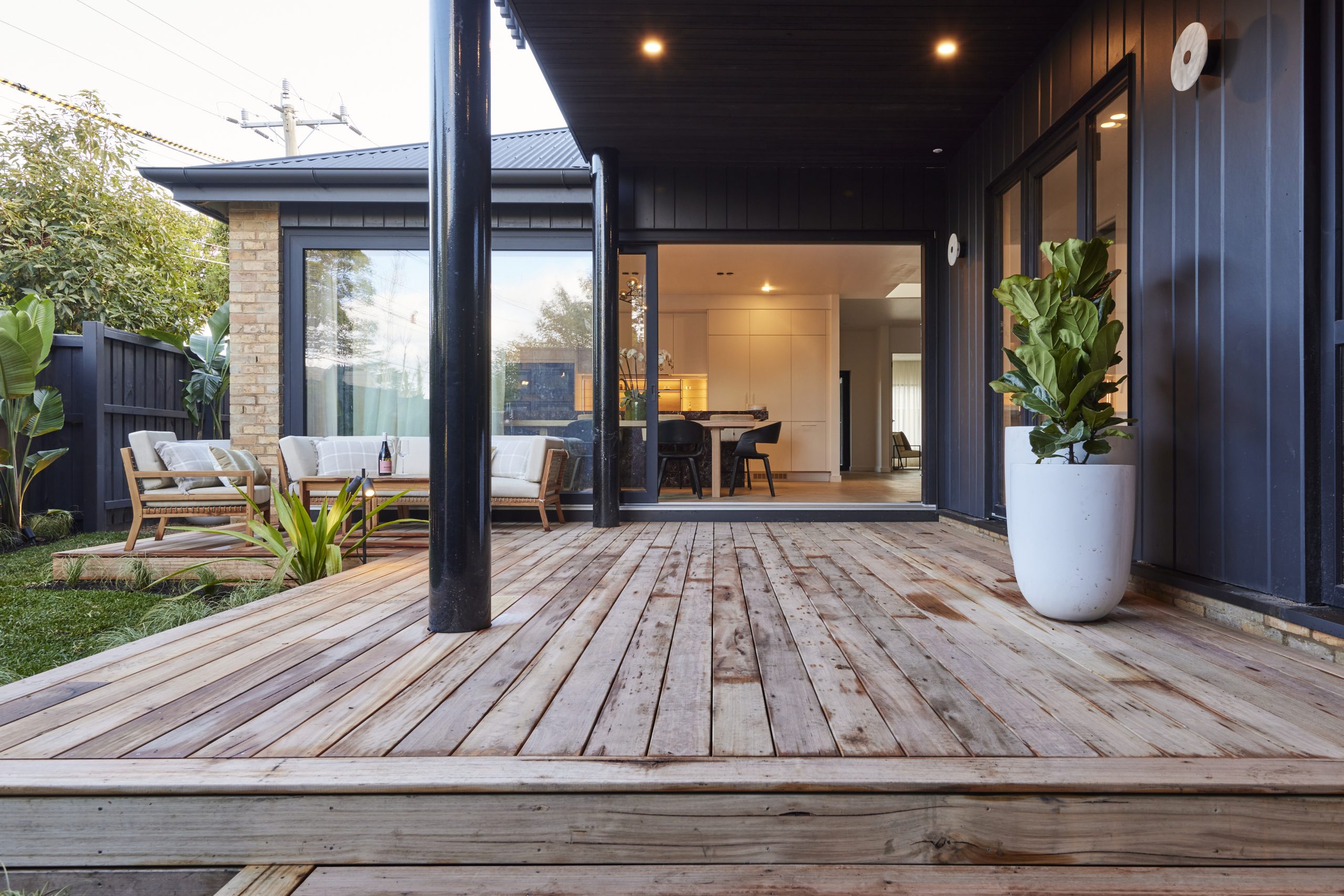
A standard sliding door is always resting on its rollers. To keep the wind and rain out, it also needs weather seals (usually brush piles or rubber strips) that constantly rub against the frame.
This creates a conflict.
For the door to be weather-proof, the seals need to be tight.1 But for the door to slide easily, the seals need to be loose.
Manufacturers have to find a middle ground. Usually, this means you get a door that is somewhat hard to open and somewhat drafty. As the door gets bigger and the glass gets heavier, the friction destroys the rollers. This is why the sliding door in your rental property bounces like a shopping trolley with a flat wheel.
A Lift and Slide Door separates the movement from the sealing.
When the door is closed, it sits down firmly on rubber compression seals. It is locked in place. The weight of the door actually helps squeeze the seal tight, making it airtight and waterproof.2
When you want to open it, you lift the handle. This engages a system of gears that physically lifts the entire door panel up by a few millimetres.
The door lifts off the seals. It floats on the rollers.
Because there is no friction from the weather stripping, a panel weighing three hundred kilograms can be moved with two fingers. You do not drag the door; you guide it.
In modern renovations, everyone wants less frame and more glass. We want panels that are two metres wide and nearly three metres tall.
If you use single glazing, a standard door frame might cope. But single glazing is thermally useless.
When you upgrade to high-performance double glazed units with uPVC frames, the weight of the door doubles. A standard slider mechanism simply cannot handle that mass over time. The rollers develop flat spots. The track gets chewed up. The handle snaps because you are using it as a tow-bar.
Lift and slide hardware is engineered specifically for this weight. It allows you to build a wall of glass that seals like a bank vault but opens like a whisper.
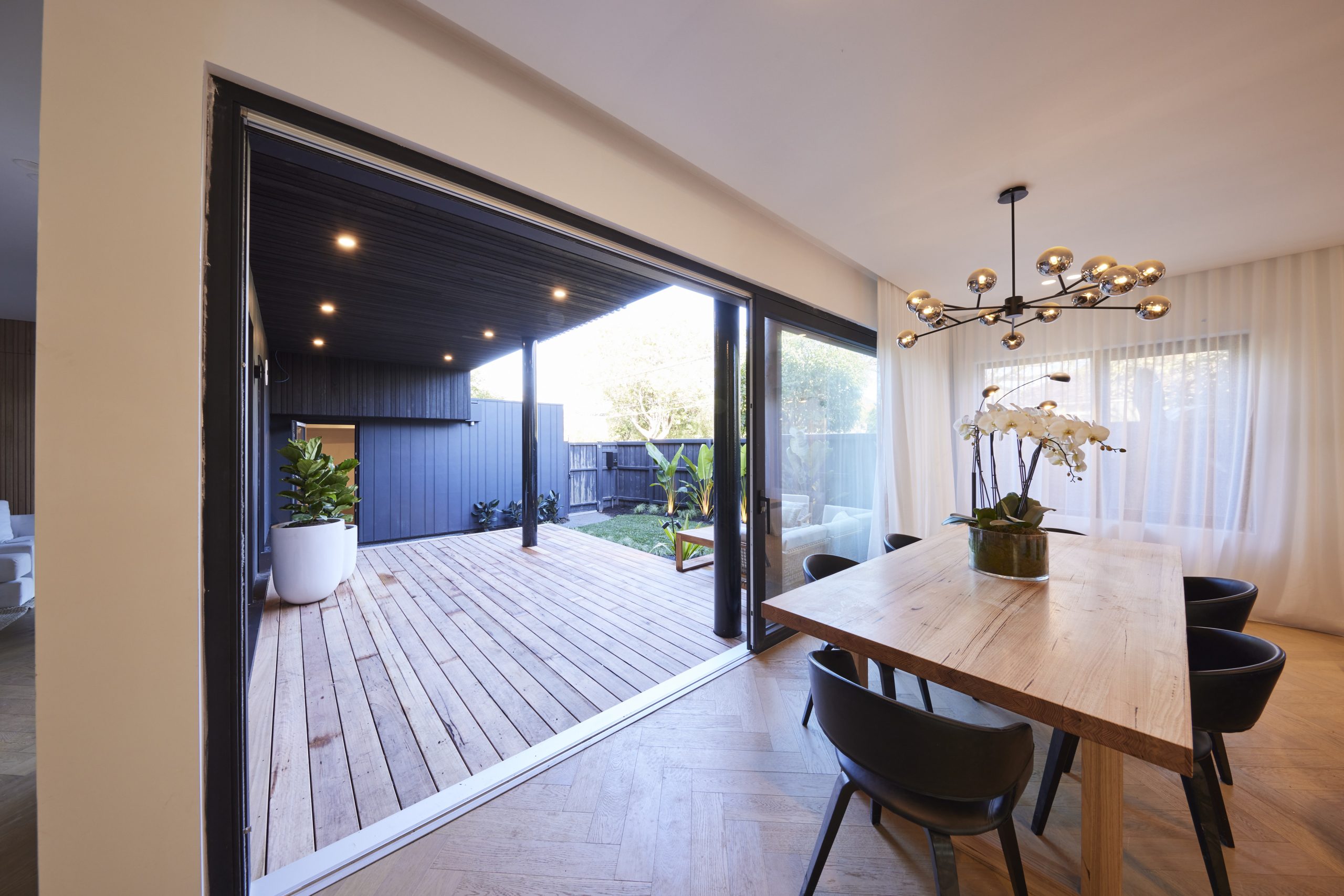
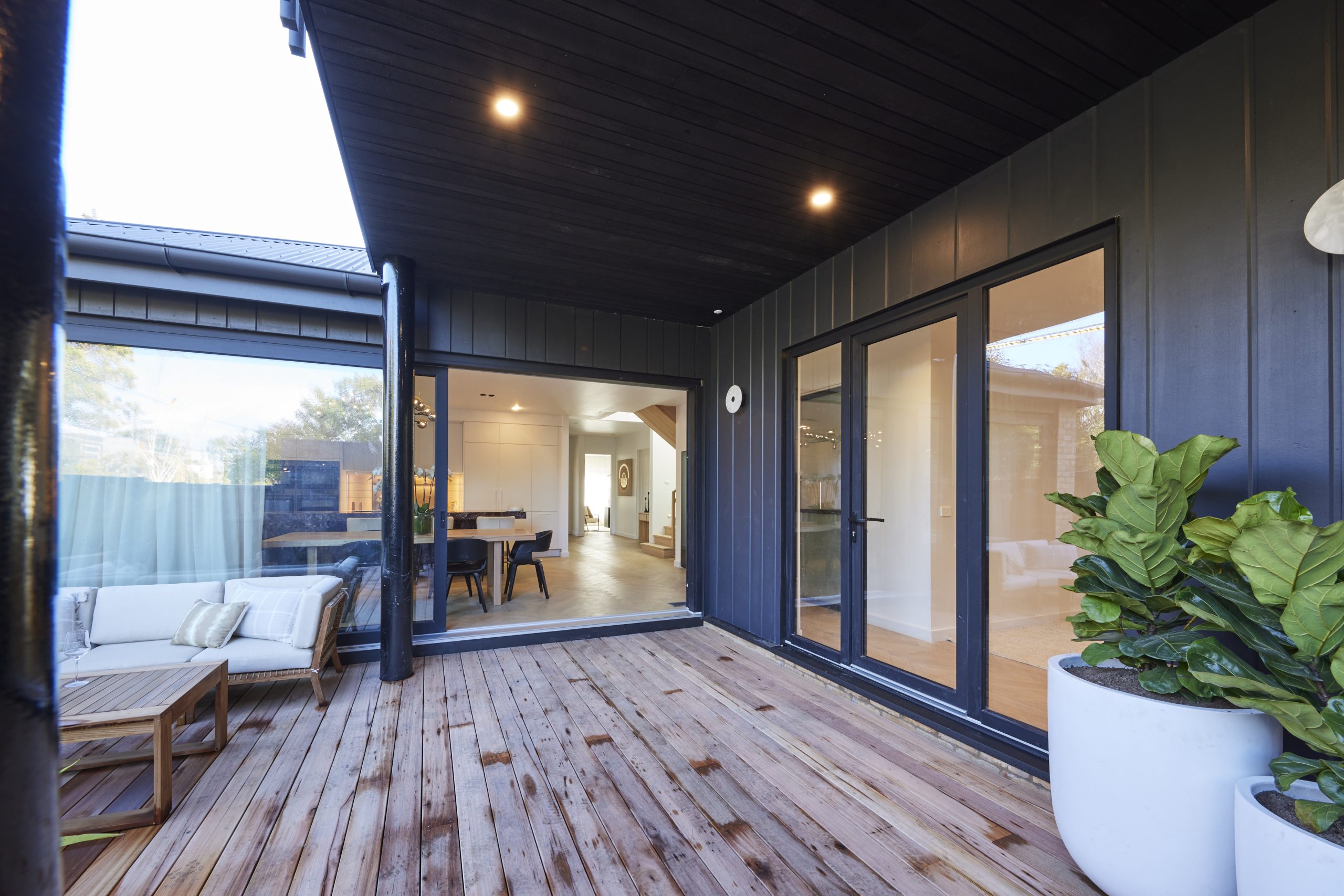
There is a secondary benefit to this mechanism: ventilation security.
Because the door lowers onto the track to lock, you can actually lock it in a partially open position.3 You can lower the door while it is ten centimetres ajar. The seals engage, the bolts lock, and the heavy panel becomes immovable.
This allows airflow at night without leaving the house wide open. A standard slider is vulnerable when vented; a lift and slide unit remains secure.
If you are trying to decide where to spend your budget, look at the span of the opening. For a small doorway, a standard slider is fine. For a connection to an alfresco area, the difference is clear.
| Feature | Standard Sliding Door | Lift and Slide Door |
|---|---|---|
| Operation | Drag against friction | Lift and glide |
| Sealing | Brush piles (can leak air) | Compression gaskets (airtight) |
| Weight Limit | Low to Medium | Very High |
| Longevity | Rollers wear out quickly | Gear-driven durability |
| Threshold | Rails often protrude | Flush options available |
You can tell when a door was designed for the person using it, not just for the opening it fills. A lift and slide door doesn’t fight you. It moves when you move it and seals itself when you stop. It turns a wall of glass into something that feels engineered, not decorative.
At Weatherall Windows, we design every lift and slide system to handle real Australian conditions. Heavy glass. Wide spans. The kind of wind and salt that destroy lesser frames. If you want an opening that still glides in ten years’ time, the hardware matters more than the handle.
No. You do not lift the weight. The handle operates a gear system that provides a mechanical advantage.4 A child can turn the handle and engage the lifting mechanism on a heavy door.
Yes. You can install retractable screens or sliding screen doors on the outside track.5 Retractable screens are often preferred as they disappear completely when not in use.6
You are paying for the hardware. The gearing system, the heavy-duty bogies (rollers), and the connecting rods are precision engineering components, usually imported from Europe. Standard sliding doors use simple plastic or steel wheels that cost a few dollars.
They work best with uPVC frames. The rigidity of our multi-chambered uPVC profiles supports the glass perfectly, while the hardware manages the weight. It is the gold standard for thermal efficiency in Victoria.
