
For years, the conversation around double-glazed windows in Melbourne has focused on comfort: warmer rooms in winter, cooler rooms in summer and a noticeable drop in street noise. Those points are familiar. What receives far less attention is how double glazing influences the everyday energy performance of a home, particularly in a city known for four seasons in a day.
Much of Melbourne’s older housing stock was built before energy efficiency became a concern. Single-glazed timber windows are still common. Many households rely on portable heaters and split systems to deal with temperature swings. In these homes, heat escapes quickly overnight and returns just as rapidly during the day.
Double glazing slows this cycle. Two panes separated by an air or gas layer reduce the rate at which heat moves through the glass. Instead of reacting to weather conditions hour by hour, interior temperatures remain more stable.

Noise reduction is often one of the main reasons homeowners look to double glazing. Inner-city suburbs contend with traffic, construction and nightlife. The insulating gap between panes dampens outside sound. The same gap limits the transfer of heat.
The effect is simple.
| Feature | uPVC Frame | Aluminium Frame |
|---|---|---|
| Heat transfer | Low | High |
| Draught prevention | Strong when sealed | Varies |
| Noise control | Enhanced by insulation | Dependent on design |
| Benefit in winter | Holds warmth more effectively | More heat loss |
Melbourne’s newer estates often feature large open-plan living areas with expansive windows. These spaces warm quickly in summer and cool just as fast in winter. Older homes in established suburbs face a different issue. Many living areas are south-facing and receive limited sunlight, leaving them cool for much of the year.
Double glazing helps both scenarios.
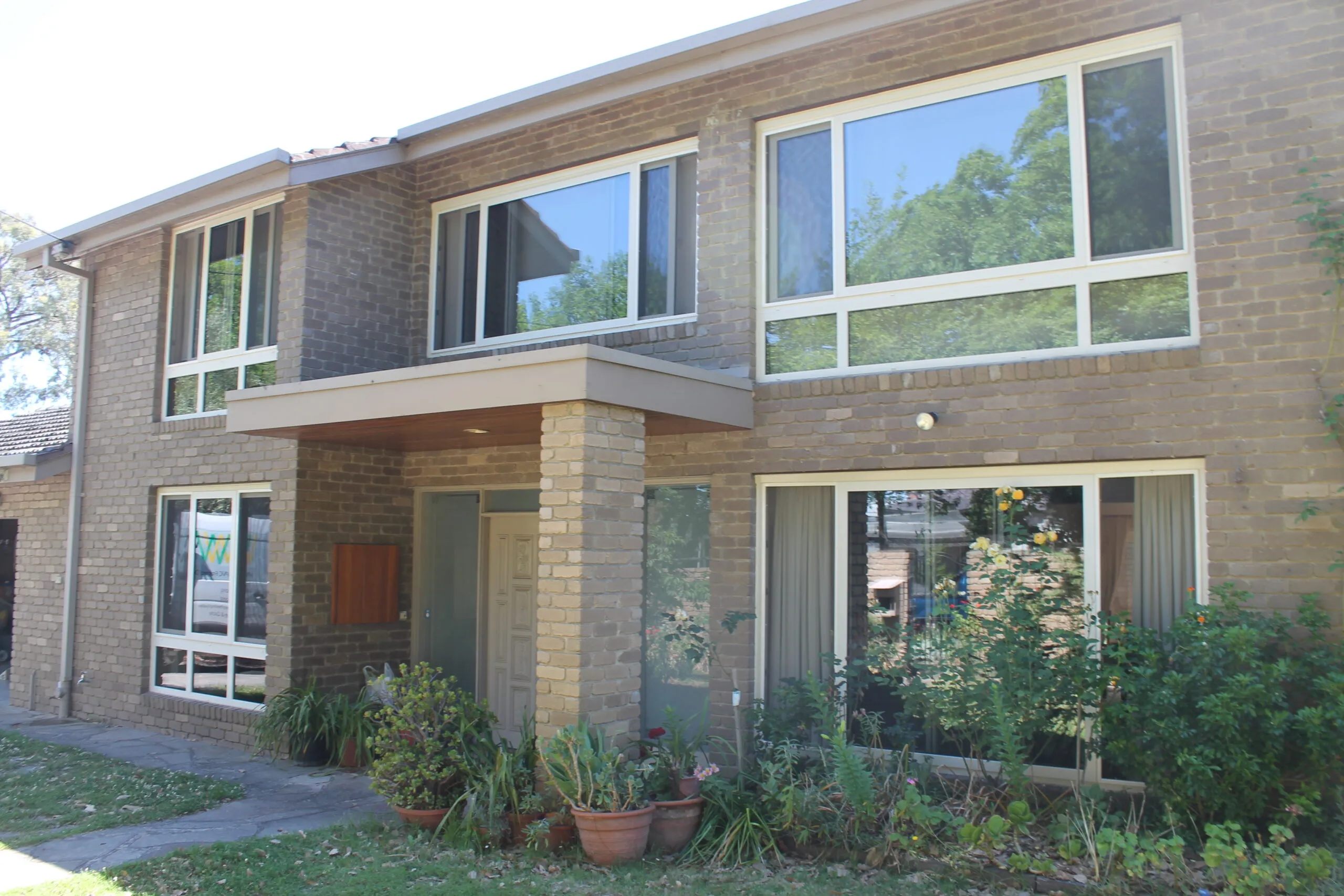
Orientation, shading, insulation and ventilation all influence how a home performs. Double glazing does not replace the need for good design, but it has become one of the most dependable upgrades available to homeowners.
It works in Victorian terraces, post-war brick homes, fibro renovations and new townhouses. Its effect is predictable: fewer temperature swings, reduced reliance on heating and cooling and a quieter interior that feels more insulated from the city beyond the window.
As renovation activity continues across Melbourne and energy prices fluctuate, homeowners are paying closer attention to the elements that improve comfort year-round. Double glazing sits near the top of that list. It moderates heat, retains warmth and supports households seeking steadier and more efficient ways of living.
