
A bedroom beside Bell Street, Sydney Road, a tram route or the Tullamarine flight path can feel calm at inspection and much louder at 6 am. Double glazed windows can reduce noise in Melbourne homes, but the result depends on the glass, the frame, the seals and the weak points around the room.
At Weatherall Windows, we manufacture uPVC double glazed windows and doors at our Campbellfield factory. For acoustic work, the aim is reduction rather than silence. A good window can make a main-road room easier to sleep in, work in or sit in, but it cannot remove every tram squeal, truck rumble or aircraft pass.
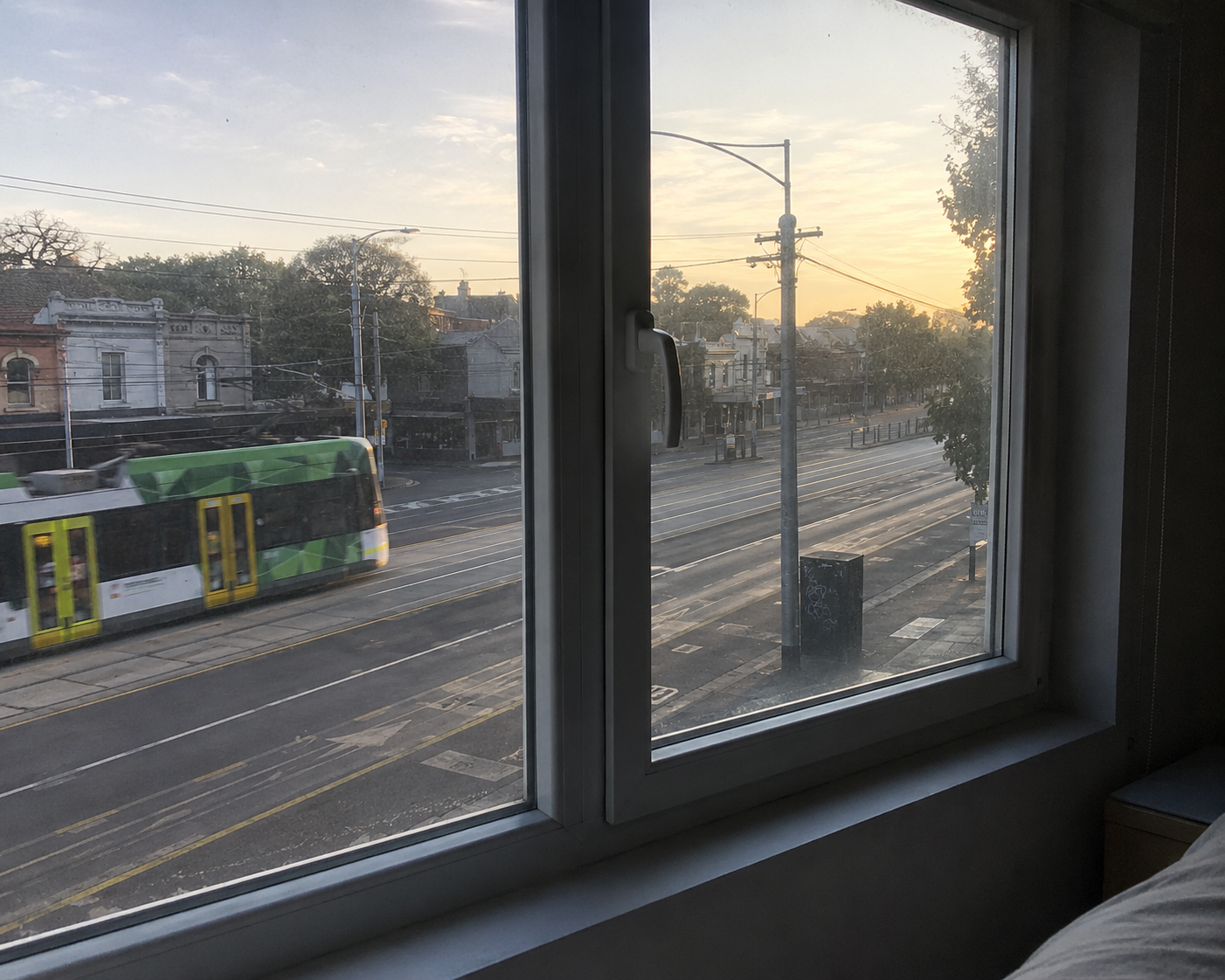
Double glazing usually makes a home quieter when the existing windows are single glazed, loose, poorly sealed or set in old aluminium frames. The improvement comes from reducing sound transmission through the glass and closing the air paths that let sound move around the window.
Two double glazed windows can perform very differently. A basic unit with two equal panes of glass may be excellent for heat control, yet only modest for noise. A better acoustic specification may use different glass thicknesses, laminated glass, a wider cavity where the frame allows it and a sash that pulls tightly into compression seals.
That is why the phrase soundproof windows for Melbourne homes needs care. A window can reduce street, rail and neighbour noise. A window should never be sold as a promise of silence.
Double glazed windows noise reduction depends on the whole window system. Glass is important, but the installed window has to close tightly and seal properly against the building.
The main performance factors are:
- Glass thickness: Heavier glass usually blocks more sound than thin glass.
- Asymmetric panes: Two different pane thicknesses help reduce the shared vibration point that can let certain sounds through.
- Laminated acoustic glass: A flexible interlayer between glass sheets helps damp vibration, especially for higher-frequency noise.
- Cavity size: A larger sealed space between panes can improve acoustic performance, although the practical gap is limited by the frame system.
- Frame and sash sealing: A full-perimeter compression seal helps close the air leaks that carry noise.
- Installation quality: Gaps around the frame can undo the benefit of expensive glass.
uPVC frames help because they do not conduct sound and heat in the same way as standard aluminium. More importantly, uPVC systems can be built with multi-point hardware and compression seals that pull the sash firmly into the frame. That tight closure is one reason uPVC acoustic windows in Melbourne homes are often a better fit than older sliding aluminium windows facing busy roads.
Rw means weighted sound reduction index. It is a single-number rating used to describe how much airborne sound a window or door system reduces under test conditions. STC, or sound transmission class, is a similar single-number rating seen in some acoustic reports.
A higher number means better acoustic reduction. A small change can be heard, but it may not feel large. A 5 dB improvement is usually just noticeable. A 10 dB reduction is closer to the point where many people hear the sound as roughly half as loud.
The number should be tied to the exact configuration. A glass-only Rw figure is less useful than a whole-window figure because real homes have frames, seals, hardware and installation joints. A quote for acoustic windows should state the glass build-up, the opening type and, where available, the whole-window acoustic rating.
| Window or glazing type | Indicative Rw range | What it usually means | Main caution |
|---|---|---|---|
| Loose single glazing in a non-sealed frame | Rw 15 to 20 | Common in older homes with thin glass and leaky frames | Air leaks can dominate the noise path |
| Single glazing with quality acoustic seals | Rw 30 to 33 | Better sealing can lift performance before the glass changes | Still limited by the single pane |
| Laminated single glazing with acoustic seals | Rw 33 to 36 | The interlayer helps damp higher-frequency noise | Less effective for low-frequency rumble |
| Purpose-designed double glazing with a large sealed air gap | Rw 40 to 45 | Stronger reduction for speech, cars and some street noise | A 50 to 100 mm acoustic gap is often larger than a standard replacement IGU allows |
| Secondary glazing with quality seals | Rw 40 to 47 | Often strong for difficult noise because it creates a larger air space | Changes the interior window setup and needs careful detailing |
For a replacement window, the better question is: what Rw rating applies to this exact glass, frame and opening type?
Acoustic glass is useful when it is part of the right window system. It can fall short when the room has other noise paths that remain open.
Common weak points include:
- Wall vents: Older homes often have permanent vents that pass sound directly into the room.
- Exhaust fans: A bathroom or laundry fan without a damper can act like an open hole.
- Old doors: A front door with worn seals can leak more noise than the window beside it.
- Ceiling and roof gaps: Aircraft and rain noise may come through the roof space.
- Poor frame sealing: A small installation gap can reduce the benefit of upgraded glass.
Before specifying glass, check the room as a system. If a bedroom faces a main road and also has an old wall vent, the vent may need attention before the full benefit of new windows can be felt.
The right acoustic specification depends on the sound source. Light traffic, tram squeal, aircraft noise and heavy-vehicle rumble do not behave the same way.
A practical specification discussion should cover:
- Light street noise: A well-sealed uPVC double glazed unit may be enough when the existing window is the main weak point.
- Busy road noise: Asymmetric glass and tighter sash sealing become more important.
- Trams and train lines: The glass build-up should account for squeal, vibration and low-frequency energy.
- Flight-path noise: Laminated acoustic glass can help with higher-frequency aircraft noise, but roof and ceiling paths may also need review.
- Large sliding doors: Panel size, track design and seal compression matter because large openings are harder to seal tightly.
Because we manufacture in Campbellfield, we can discuss glass build-up and frame type together rather than treating the glass as a separate add-on. That matters when a home needs acoustic performance, thermal performance and practical ventilation from the same window.
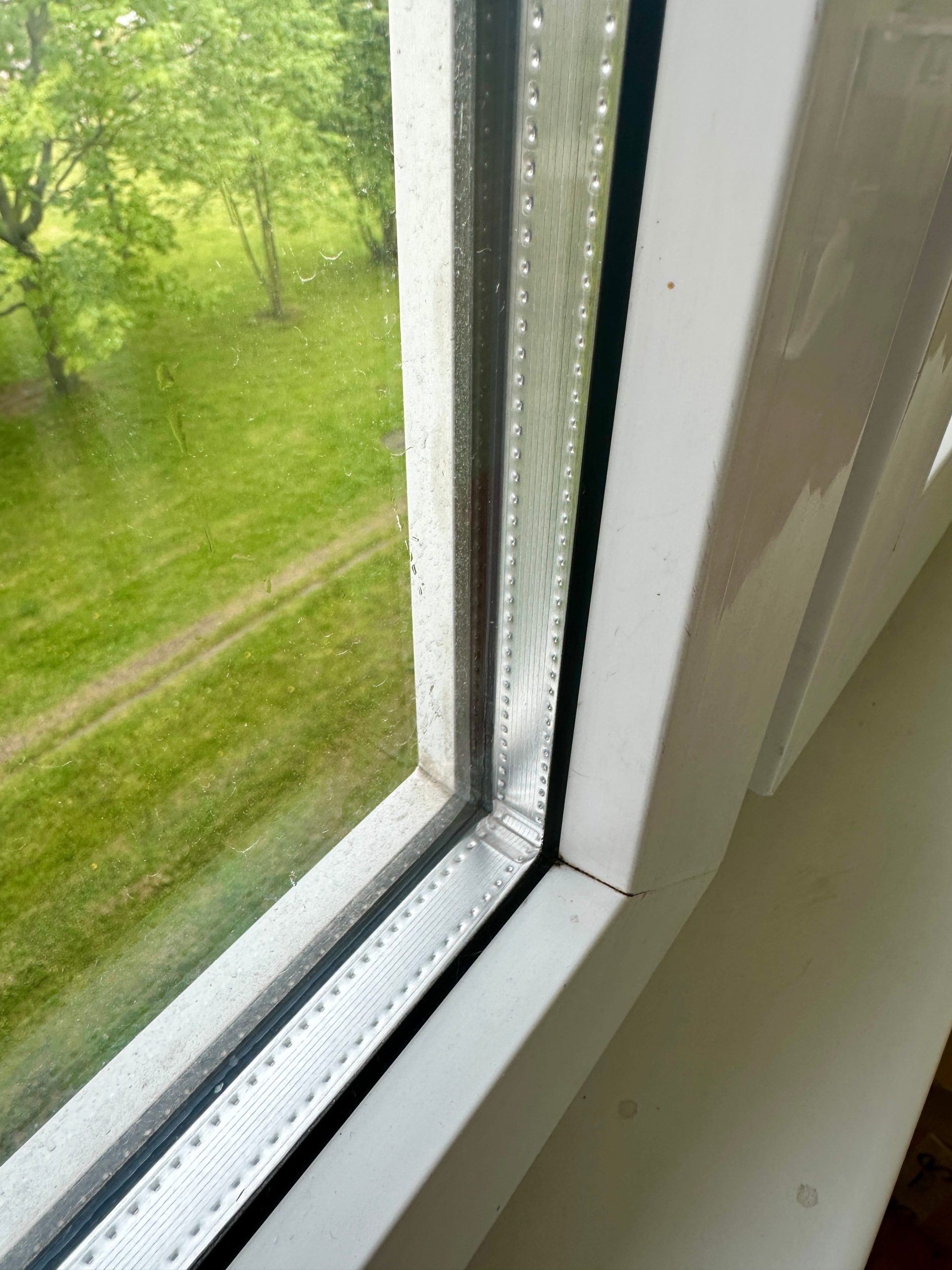
Double glazing is usually worth considering when the noise problem affects sleep, work, television volume or daily comfort. It makes the strongest case when the existing windows are old, single glazed or poorly sealed.
It is a weaker case when the main noise path is somewhere else. A room with a leaky door, open wall vent or thin roof may still feel loud after the windows are upgraded. In that situation, the window quote should be part of a broader noise plan rather than the whole plan.
The best value comes from asking for the rating before approving the quote. A more expensive acoustic specification only makes sense when it is matched to the noise source and backed by a clear performance number.
A quote for acoustic windows should give enough detail to compare performance. Broad claims about quiet rooms are less useful than numbers and specifications.
Ask these questions before you commit:
- What Rw rating applies to this exact window system?
- Is the number for the whole window, or only for the glass?
- What glass thicknesses are being used?
- Is laminated acoustic glass included?
- Are the panes asymmetric?
- What opening style is proposed for the noisiest rooms?
- How will the frame be sealed to the building?
- Are nearby vents, doors or exhaust fans likely to leak noise?
If the supplier cannot answer these questions clearly, the acoustic claim is too vague to rely on.
Double glazing reduces noise. It does not block all noise. The result depends on the glass, frame, seals, installation and other openings in the room.
An Rw rating is a single-number measure of airborne sound reduction. Higher numbers mean stronger reduction, but the rating should be tied to the whole window system rather than the glass alone.
Double glazing can reduce traffic noise, especially tyre noise, voices and sharper street sounds. Heavy-truck rumble and structure-borne vibration are harder to reduce through windows alone.
Acoustic glass is worth considering when the main noise path is the window and the room faces a busy road, train line, tram route or flight path. It works best with tight frame seals and good installation.
uPVC frames can help because they support tight sealing, multi-point hardware and non-conductive frame construction. The benefit depends on the full window design and how well it is installed.
The useful question is simple: what Rw rating applies to the exact window being quoted for that room?
Double glazed tells you there are two panes of glass. It does not tell you how the panes are built, how the sash seals, how the frame is installed or how much noise reduction the room can expect. For a noisy Melbourne home, ask for the Rw rating, the glass build-up and the sealing approach before you approve the quote. To discuss an acoustic specification for your home, call 1300 132 095 or visit the Campbellfield showroom with photos, rough measurements and a clear note on the noise source you want to reduce.
