
It is the classic Australian summer dilemma. It is 2am and your bedroom is stifling hot. You want to open the window to catch the cool change, but you live on the ground floor.
If you open the window wide enough to get a breeze, you have invited an intruder in. If you lock it shut, you suffocate in the heat.
For years, we compromised with sliding windows locked in a "vent" position—usually just a flimsy pin or a block of wood in the track. It feels safe, but a determined burglar can bypass it in seconds.
There is a better way. In Europe, they solved this problem decades ago with a mechanism that is finally becoming standard here: the Tilt & Turn window.
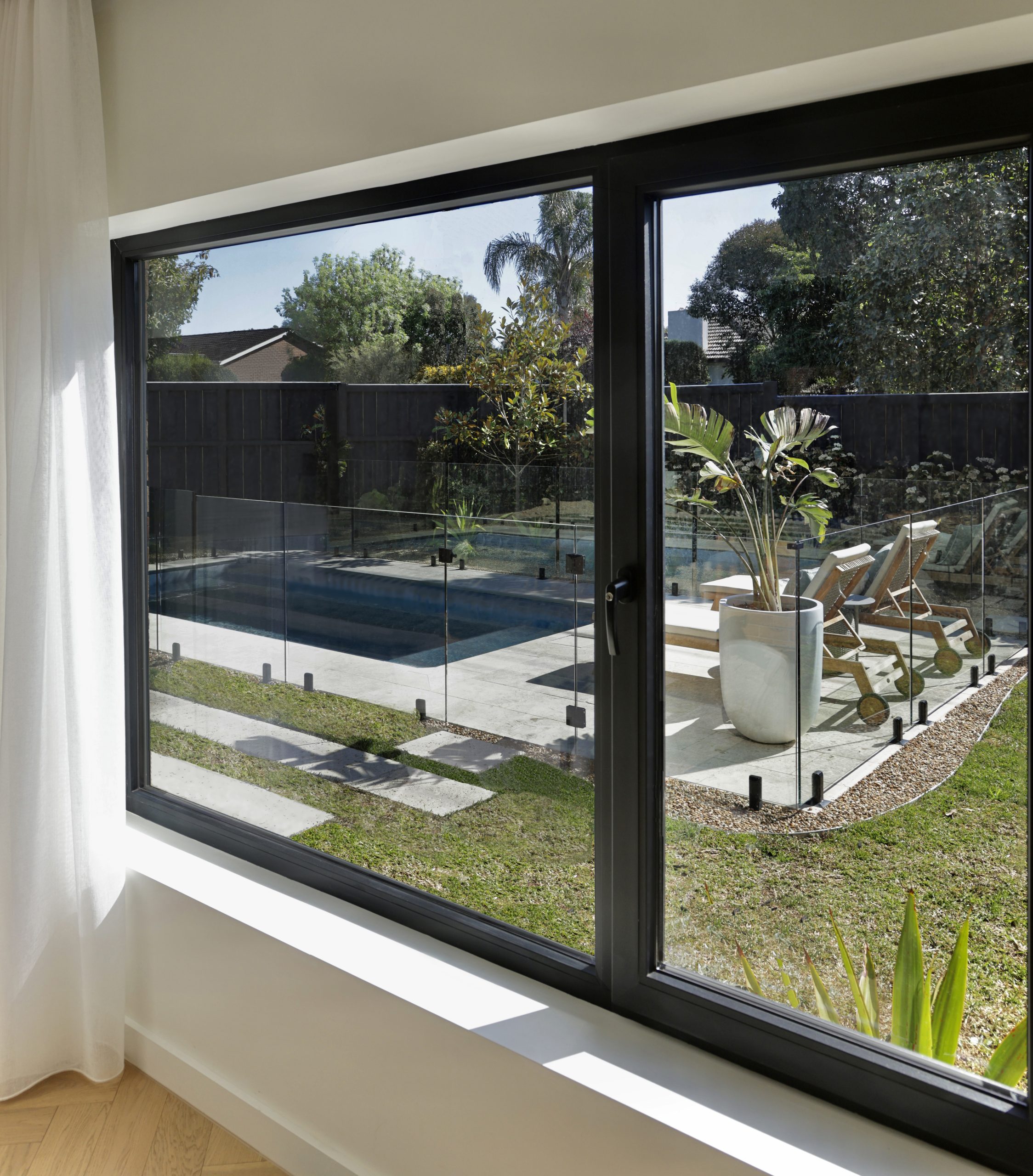
The genius of the design is that it offers two completely different opening modes from a single handle.
When you turn the handle 90 degrees, the top of the sash tilts inwards effectively about 10 to 15 centimetres.
This is the "secure ventilation" mode.
Because the opening is at the top, it is almost impossible for an intruder to reach the handle from the outside. The angle of the glass makes it difficult to get leverage to force the window. And because the bottom of the sash remains hinged to the frame, you cannot simply lift it out like you can with a sliding window.
You get the airflow you need to sleep, but the window remains a formidable barrier.
The real security advantage lies in the hardware.
Standard Australian windows usually lock at one point—the handle. If you pry the frame away from the handle, the window pops open.
Tilt and turn windows use a perimeter locking system. When you turn the handle to the closed position, steel bolts engage with the frame at multiple points around the entire sash.
It acts more like a bank vault than a window.
Even when the window is in the "tilt" position, the lower hinges and the locking mechanism hold the sash firmly in place. It allows you to leave the house or go to sleep with the window "open" without the anxiety that comes with an open sliding door.
Beyond security, the tilt function actually ventilates a bedroom better than a slider.
Heat rises. In a hot bedroom, the stale air accumulates at the ceiling. When you tilt the top of the window in, you create a direct escape path for that hot air.
Simultaneously, cooler night air flows in from the sides of the opening. This creates a natural convection current that cycles the air in the room without creating the direct, face-level draft you get from a sliding window.


Security isn't just about keeping people out. It is also about getting out.
In the event of a fire, a bedroom window is a critical escape route. Many "secure" window options—like fixed security grilles or bars—turn a bedroom into a cage. They might stop a burglar, but they can be fatal in a house fire.
This is the second function of the tilt and turn.
By turning the handle 180 degrees, the entire sash swings inward like a door. It provides a massive, unobstructed opening that you can climb through in seconds. There are no bars to unlock and no heavy sash to lift.
It is the only window style that offers high-security ventilation at night and an instant, wide-open exit in an emergency.
For a long time, we treated windows as simple holes in the wall filled with glass. We accepted that if we wanted security, we had to sacrifice airflow.
The tilt and turn mechanism proves that you do not have to choose. You can have a cool bedroom and a secure home. It just requires moving away from the cheap, sliding aluminium frames that have dominated our market for too long and investing in hardware that works.
If you value your sleep and your safety, it is the only logical choice for a ground-floor bedroom.
