
For fifty years, Australian builders made a pragmatic choice. To avoid the rotting and painting associated with timber windows, they switched en masse to aluminium.
It was a decision driven by maintenance, not comfort.
By adopting aluminium, we effectively put holes in our insulation and filled them with highly conductive metal. We built homes that heated up rapidly in summer and froze in winter, relying on oversized air conditioners to fix the mistakes of the building fabric.
But the standard is shifting.
As energy prices rise and the National Construction Code tightens, architects and renovators are abandoning conductive metal frames. They are moving to the material that Europe and North America adopted decades ago.
Unplasticised Polyvinyl Chloride. Or, as you know it, uPVC.
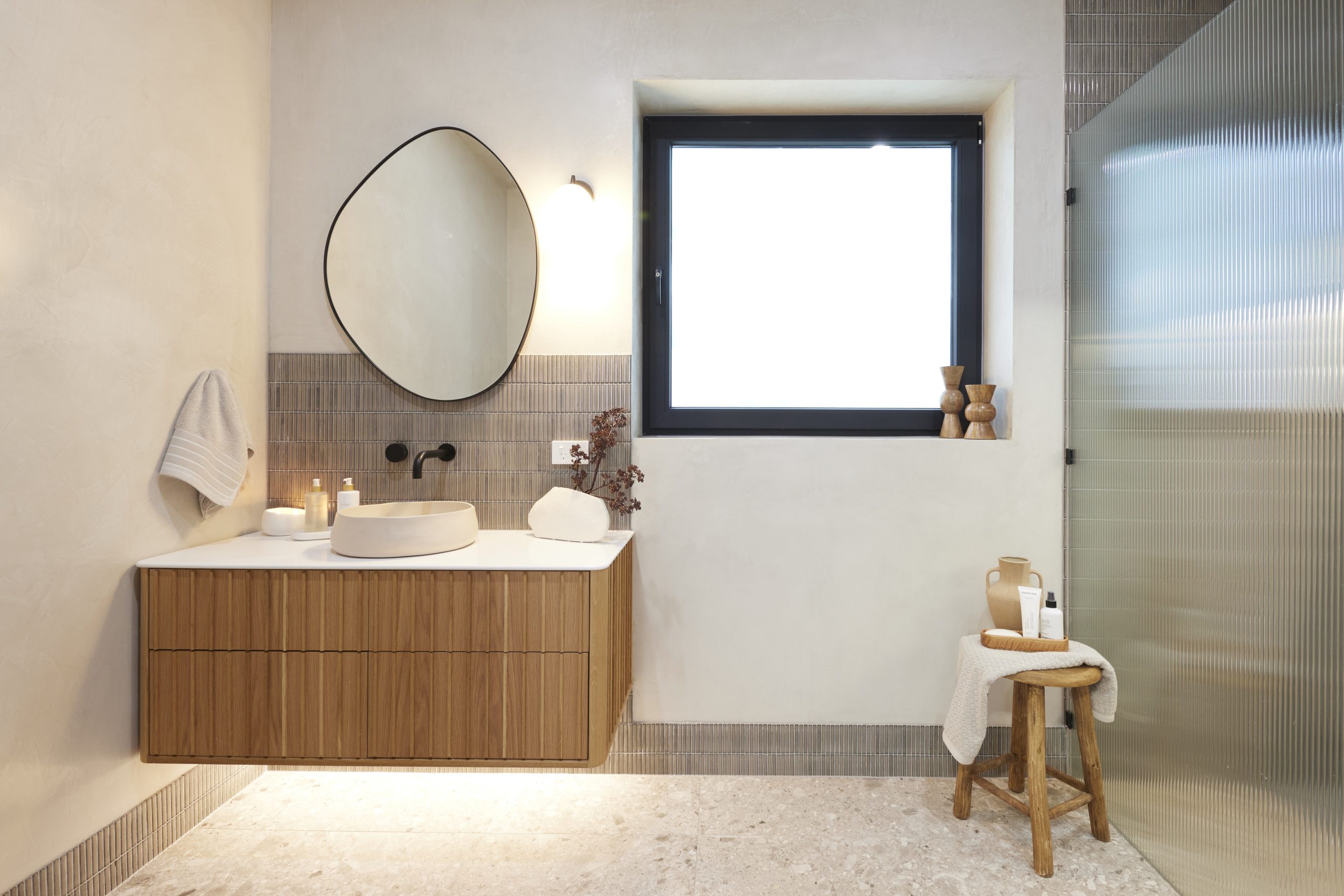
The name has an image problem. When you hear "PVC", you think of pool toys or shower curtains. You think of soft plastic that smells chemical and goes brittle in the sun.
The "u" is the important letter. It stands for "unplasticised".
In manufacturing, plasticisers are the chemicals added to make things flexible. When you remove them, you are left with a material that is stone-hard. It is rigid, dense, and chemically inert.
It does not flex. It does not rot. And unlike the timber windows of the past, it does not warp when you forget to paint it for five years.
The primary reason for the switch is physics.
Aluminium is a metal. Metals conduct energy. That is why we use them for frying pans. When you put a pan on a stove, the heat travels instantly from the element to the food.
An aluminium window frame does the same thing to your house.
On a thirty-degree day, the sun hits the dark metal frame on your exterior wall. The metal absorbs that heat and conducts it straight into your living room. You can have expensive insulation in the walls, but the frame acts as a thermal bridge, bypassing your defences.
uPVC is a non-conductor.
If you touch a uPVC frame on a hot day, it feels neutral. It breaks the circuit. It keeps the heat out in January and keeps the warmth in in July. We explored this physics in our article on why aluminium windows fail in summer.
The second driver is noise.
As Melbourne gets denser, our suburbs get louder. Homeowners often upgrade to double glazing to stop traffic noise, only to find they can still hear the bus braking at the end of the street.
The issue is the frame mass.
Standard aluminium frames are hollow and lightweight. When sound waves hit them, they vibrate, transmitting the noise inside.
uPVC frames are heavy. Most are reinforced with steel cores. This density blocks vibration. When you close a Weatherall uPVC window, it doesn't click; it thuds. That density, combined with compression seals, creates an acoustic barrier that turns a chaotic street into a quiet library.
For a deeper look at acoustic engineering, read our guide on how heavy frames stop traffic noise.
Because uPVC is welded at the corners rather than screwed together, it is stronger than standard aluminium sections. This strength allows for opening styles that change how you use your home.
The standard-bearer is the Tilt & Turn window.
It uses a handle with two positions. Turn it 90 degrees, and the window tilts inwards from the top. You get fresh air without a draft, and because the opening is high, it remains secure. Turn it 180 degrees, and the whole sash swings inward like a door for rapid cooling.
We also build Casement windows that push out to catch the breeze, and modern Sliding windows that glide on high-performance rollers.
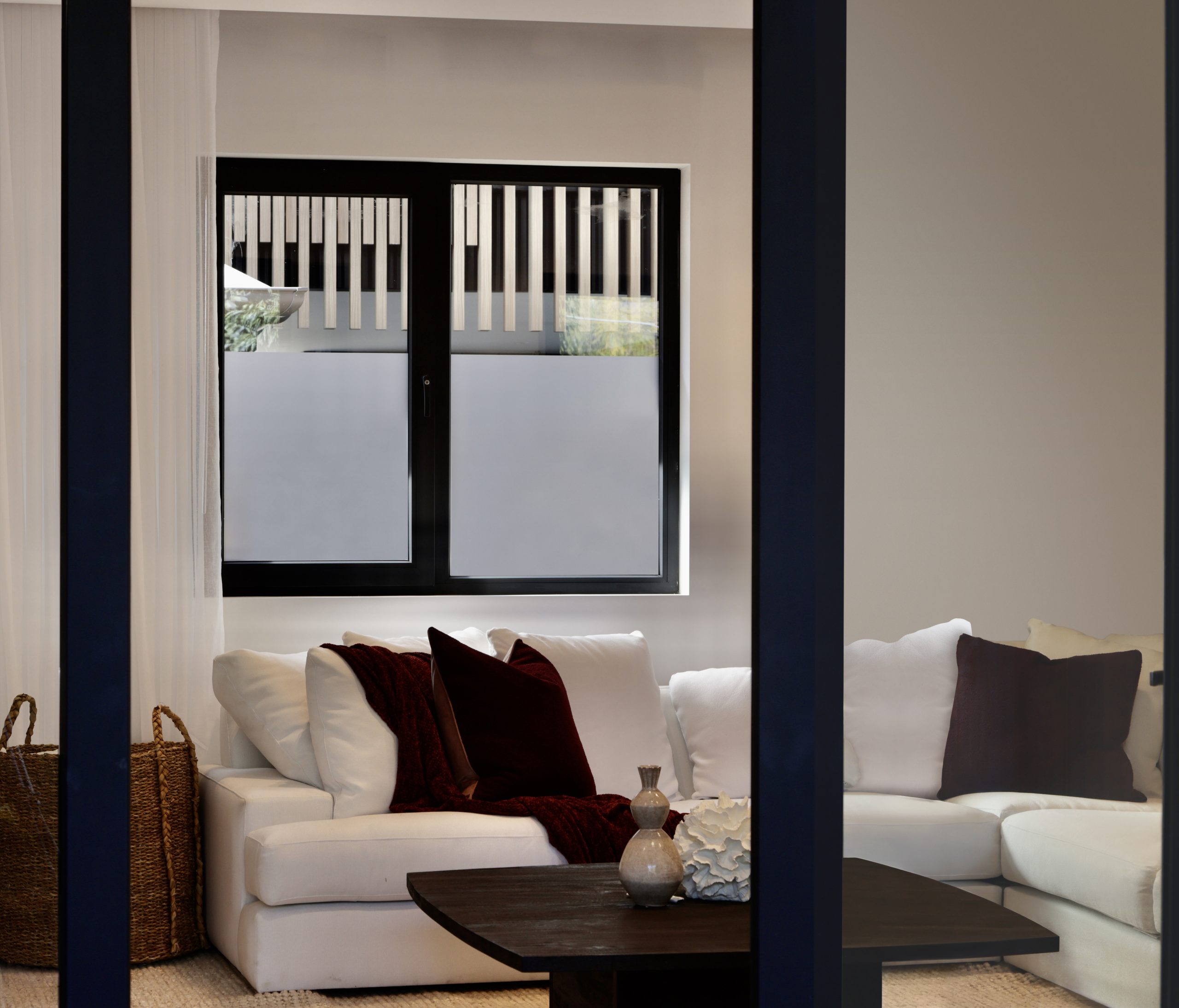
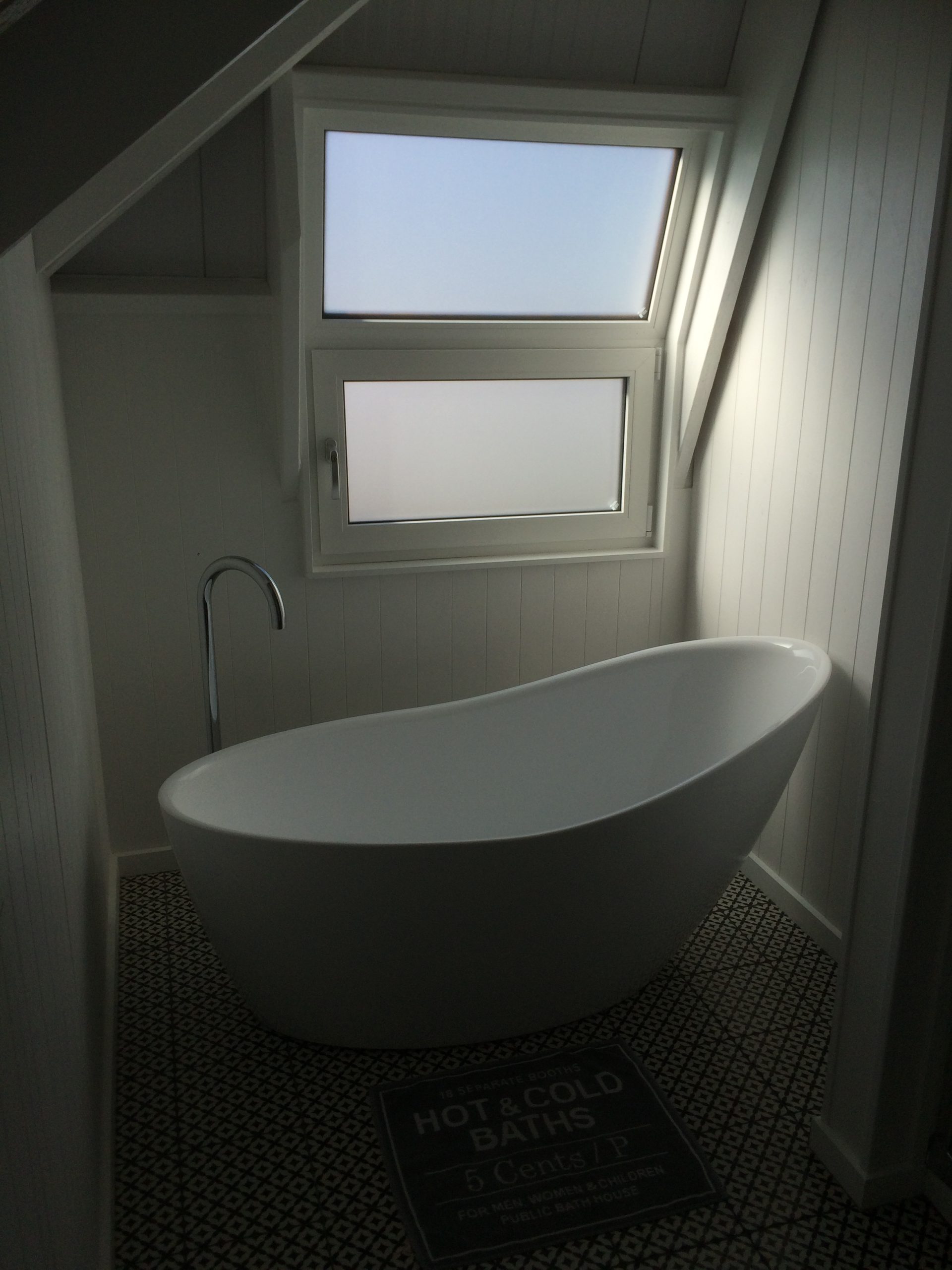
Historically, uPVC was a premium import. You had to wait months for it to arrive from Germany. Today, local manufacturing has changed the math.
High-quality uPVC is now competitive with mid-range aluminium.
It is more expensive than the cheap, single-glazed aluminium windows you find in project homes. But that comparison is flawed. Those windows are leaking money through your energy bill every day.
When you compare uPVC to "thermally broken" aluminium (metal frames with a plastic strip inserted to stop the heat), uPVC is often the cheaper option. You get superior performance for less money.
We are past the point of experimenting. uPVC is the global standard for high-performance housing.
It handles the Australian sun thanks to modern UV stabilisers. It handles coastal salt spray without corroding. And it handles the noise of modern life.
If you are renovating this year, look at the frame before you look at the glass. If it feels like a frying pan, it shouldn't be in your wall.
