
When Melbourne renovators are looking for window designs that support airflow without leaving their homes exposed, what do they choose? Awning windows, which hinge at the top and open outward from the bottom, have become a consistent choice because they allow ventilation during light rain while keeping interiors protected.

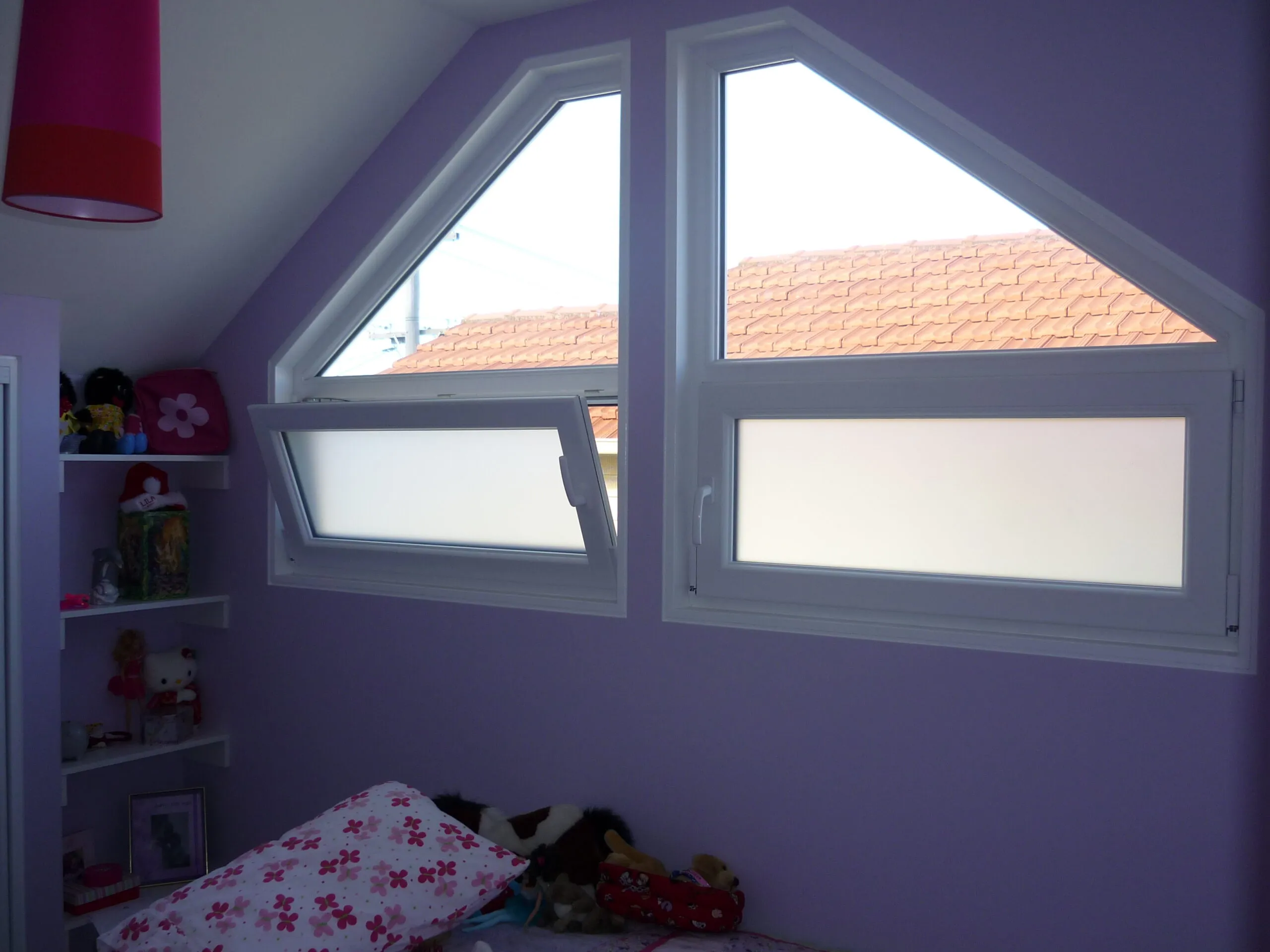

The Weatherall page stresses that their awning windows combine ventilation with insulation. When closed, the compression seals and double glazing limit heat loss and improve comfort in cooler months. This creates a system that supports both air movement and temperature stability.

Below is a simple table reflecting the attributes described on the service page:
| Feature | How the Awning Design Supports It |
|---|---|
| Weather protection | Outward tilt stops rain from entering |
| Energy efficiency | Tight seals and double glazing reduce heat transfer |
| Noise reduction | Insulated frames and glazing buffer sound |
| Ventilation | Allows airflow even in changing weather |
| Privacy | Works well in bathrooms or bedrooms with boundary-facing windows |
| Space efficiency | Fits in tight or high wall locations |
These qualities suit the practical constraints of Melbourne’s older housing stock, where thermal performance and airflow often require different window behaviours at different times of the year.
Many inner-city renovations involve narrow setbacks, compact rooms or limited exterior clearance. Awning windows work well in these conditions because they open outward from the top rather than swinging broadly into outdoor areas or sliding across a large frame.
They can be installed higher on a wall, above kitchen benches or in small bathrooms, and can be paired with fixed windows to bring in more natural light. The Weatherall page places particular emphasis on this adaptability.
Melbourne’s older homes often struggle with heat retention in winter and moisture build-up in bathrooms or kitchens. Awning windows offer ventilation without surrendering comfort. When combined with double glazing and insulated frames, they help stabilise temperatures and reduce the impact of outside noise.
The service page frames these windows as a balanced solution, suited to a climate that demands both insulation and airflow.
Renovation projects typically look for improvements that offer immediate day-to-day benefits. Awning windows meet that requirement by providing controlled ventilation, weather resistance and insulation in a single design. They also integrate cleanly into a range of architectural styles, from terrace houses to new townhouses.
Given the practical needs of many Melbourne homes, it is not surprising that awning windows are appearing more often in renovation briefs. They suit the climate, fit the constraints of older buildings and support the combination of airflow and energy performance that homeowners increasingly expect.
